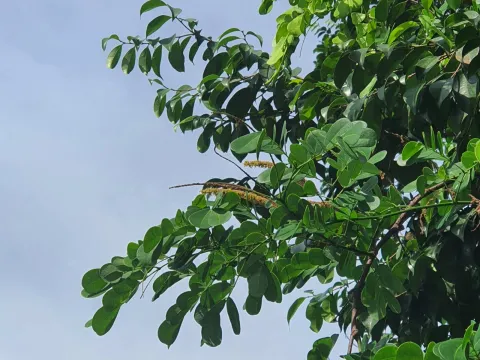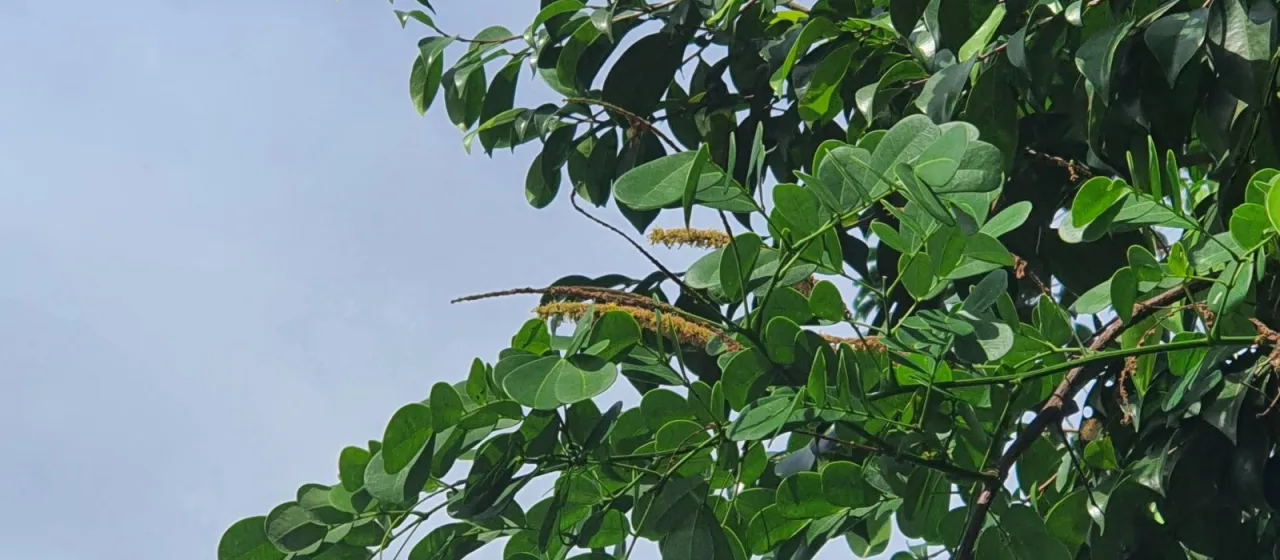
Description
Entada spiralis is a large woody vine belonging to the Fabaceae (legume) family. This species is recognized for its impressive growth habits and its role in tropical forest ecosystems. In agricultural contexts, it is studied for its contribution to soil health and potential utilization of its seeds and biomass.
The native distribution of this plant is primarily found within the tropical zones of Africa, where it thrives in high-humidity environments. Its natural habitat includes dense forest edges and regions with consistent precipitation levels throughout the year. Cultivation of this species is usually localized, often integrated into agroforestry systems to mimic natural growth conditions.
Botanically, the plant is characterized by its woody stems and complex, compound leaves. The most striking reproductive feature is the presence of large, flattened pods that contain numerous seeds. These seeds are adapted for dispersal by water, which highlights the plant's evolutionary ability to thrive in tropical climates with river networks or heavy seasonal rainfall.
Agricultural requirements for Entada spiralis focus on well-drained, nutrient-rich soils and the availability of vertical support structures. Since it is a climbing plant, proper trellising is essential for productivity. Water management is crucial, as the plant requires consistent moisture to maintain its rapid growth rate, especially during the establishment phase.
The economic and practical usage of this legume includes the extraction of specific compounds from its seeds and the potential for soil nitrogen enrichment. Due to its symbiotic relationship with nitrogen-fixing bacteria, it serves as a valuable component in maintaining soil fertility in tropical farming systems. It is also historically used in local crafts and traditional medicine practices.
- Strong nitrogen-fixing capabilities in the root nodules.
- High demand for vertical scaffolding for optimal growth.
- Relatively high resistance to common fungal pathogens.
Photo gallery