Oriental false wheatgrass
Eremopyrum orientale
Description
Oriental false wheatgrass (lat. Eremopyrum orientale) is an annual grass species belonging to the Poaceae family. This plant is well-regarded in agricultural science for its capacity to thrive in arid and semi-arid regions where conventional forage crops often fail due to extreme water scarcity.
The species originates from the dry steppes and desert zones of Central Asia, the Caucasus, and parts of Southeastern Europe. Its natural range is characterized by long, hot summers and cold winters, which has led the plant to evolve a specific survival strategy based on rapid growth during the short spring season.
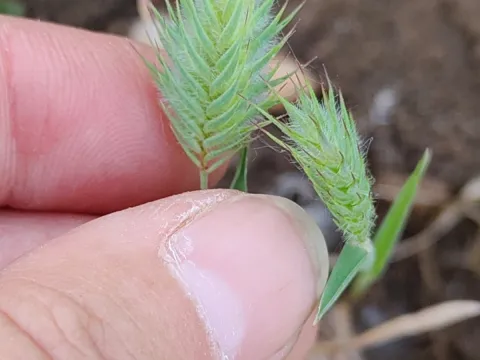
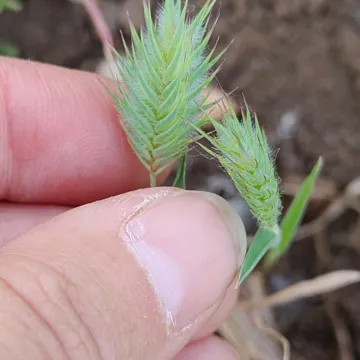
Botanically, it is a low-growing grass with fibrous roots and dense, spike-like inflorescences. The leaves are typically narrow and resistant to heat stress. The plant matures early, completing its reproductive cycle before the peak heat of summer, which allows it to preserve moisture and survive as seeds during the harsh, dry dormant months.
Regarding soil and cultivation requirements, Eremopyrum orientale is highly adaptable. It performs well on diverse soil types, including saline and alkaline substrates. Agronomic management involves sustainable grazing practices to ensure the plant can re-seed naturally. It does not require intensive fertilization, making it a low-input component of rangeland management.
- Early spring grazing for small ruminants
- Soil stabilization in arid regions
- Resilience to drought and cold
The primary economic use is as high-quality forage during the early grazing season. Typical pests include cereal aphids and various grass-feeding beetles. Diseases such as leaf rust can occur in periods of high humidity, although they are generally less significant due to the plant's short lifecycle and the arid conditions it prefers.
Photo gallery