Description
Eriosema heterophyllum is a perennial herbaceous plant belonging to the large and economically important Fabaceae family. It is recognized for its nitrogen-fixing capabilities, which makes it an essential asset for improving soil fertility in its native environments. The species is characterized by a robust growth habit and is typically found in habitats that experience distinct wet and dry seasons.
Originating from the tropical and subtropical regions of Africa, this plant is well-adapted to savanna landscapes and grasslands. Its distribution is closely linked to environments with warm temperatures and ample sunlight. As a climate-sensitive crop, it requires consistent heat for growth and is unable to withstand frost, which restricts its cultivation range primarily to tropical and subtropical agro-zones.
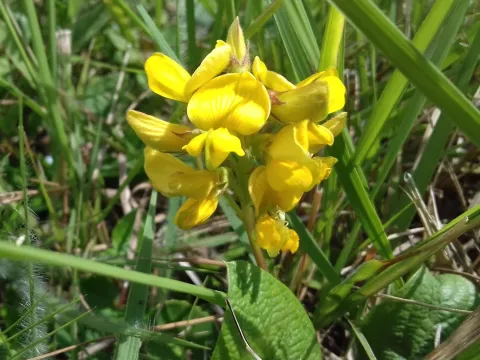
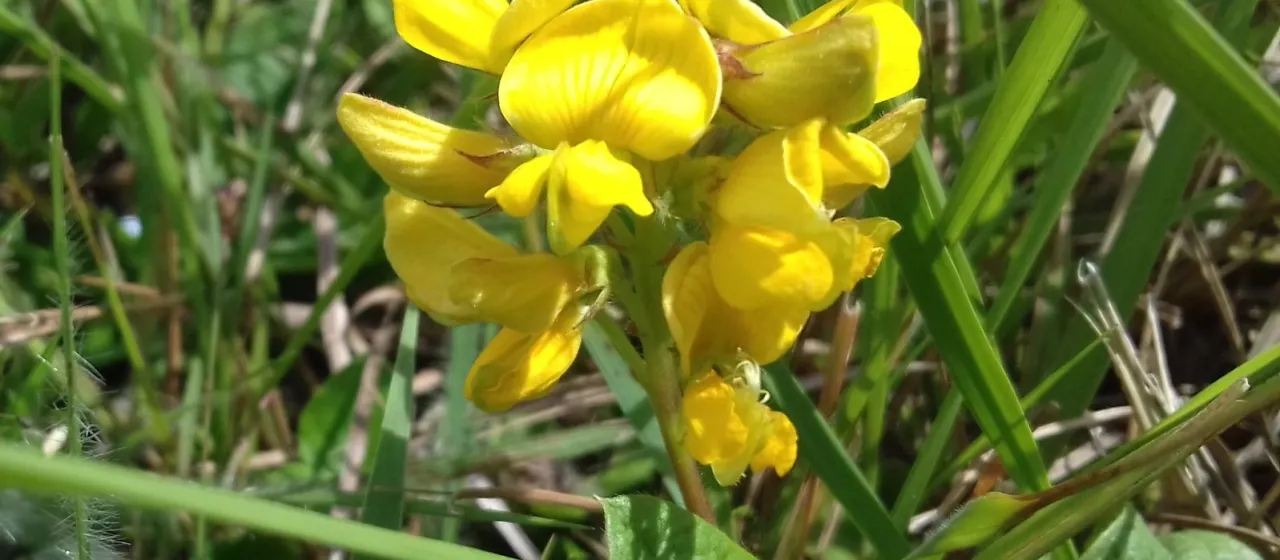
From a botanical standpoint, the plant features a complex leaf structure and an extensive root system, often including specialized storage organs like a caudex or woody taproots. These adaptations allow the plant to thrive in challenging environments where water availability can be erratic. The flowers, typically appearing in shades of yellow or orange, are indicative of its taxonomic position within the Fabaceae family.
Successful cultivation requires well-drained, sandy-loam soils with a neutral or slightly acidic pH balance. The crop thrives in full sun and demands adequate space to minimize competition. Agronomical practices should focus on weed management during the seedling stage, as Eriosema heterophyllum can be slow to establish. Irrigation should be managed carefully to ensure root health and prevent oxygen deprivation in the soil.
- Enhancement of soil nitrogen levels via symbiotic bacteria.
- Valuable forage potential in specific tropical pasture systems.
- Contribution to soil conservation and erosion control.
- Ecological value as a source of nectar for local pollinators.
The primary health concerns for this crop include fungal infections of the root system, which are often caused by poor drainage or overly compacted soil. Additionally, several soil-borne pests, such as nematodes, can impact the vigor of the plant. A proactive management approach, including crop rotation and the maintenance of optimal soil moisture levels, is essential to protect the harvest and ensure sustained yields.
Photo gallery