Description
Eriosema himalaicum is a perennial herbaceous plant belonging to the Fabaceae family. As a typical member of this genus, it is known for its ability to fix atmospheric nitrogen through symbiosis with soil bacteria, which provides a significant ecological advantage in nutrient-poor environments.
The native range of the species is primarily concentrated in the Himalayan mountain regions. It is well-adapted to high-altitude ecosystems, thriving in temperate climates where it occupies open meadows and forest edges. Its historical use has been primarily associated with local agricultural practices in Asian mountain communities.
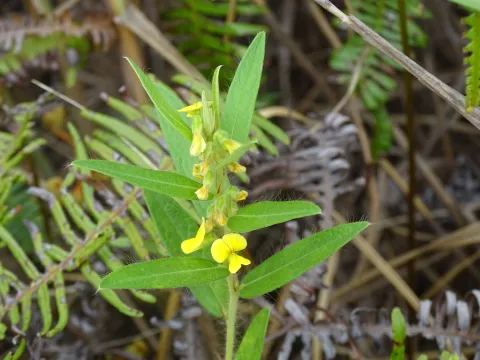
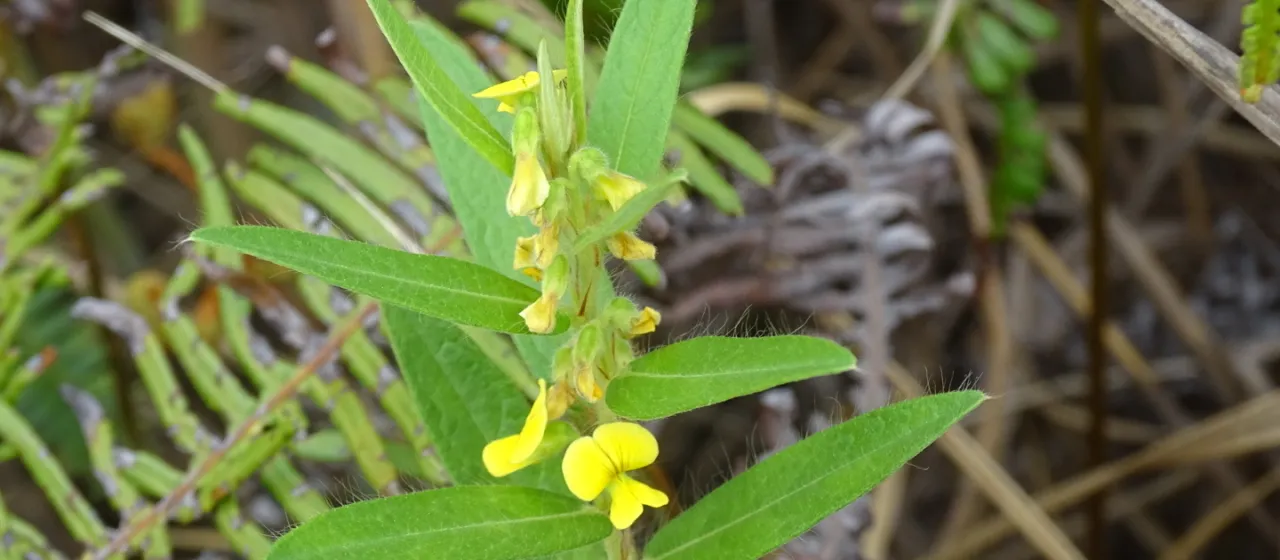
Botanically, the plant features trifoliate leaves and typical papilionaceous flowers that are usually yellow. Its growth habit can vary from low shrubs to spreading herbs, depending on local environmental conditions and the intensity of grazing or harvesting. The root system is deep, providing both stability in mountain terrain and access to groundwater.
Agricultural requirements focus on well-draining soils with moderate fertility. While the plant is hardy, it performs best in soils that are not excessively compacted. Proper sowing depth and soil preparation are essential for maximizing emergence rates. Irrigation management is generally only required during prolonged drought periods in the early establishment phase.
The primary economic use of this plant is as a sustainable forage source and as a nitrogen-fixing cover crop. Like many legumes, it is susceptible to specific pressures:
- Root rot pathogens that proliferate in waterlogged conditions.
- Foliar diseases such as mildew or leaf spots.
- Pest pressure from aphids and certain coleopteran species that consume foliage.
Photo gallery