Description
Eritrichium nipponicum is a unique perennial herbaceous plant belonging to the Boraginaceae family. Renowned for its delicate appearance, it is a prized species among alpine garden enthusiasts who seek to cultivate specialized high-altitude flora in controlled environments.
The plant originates from the mountainous regions of Japan, where it typically inhabits rocky slopes and alpine meadows. This specific natural habitat defines its biological requirements, as the plant is adapted to nutrient-poor soils, high-intensity sunlight, and the well-ventilated conditions of high-altitude terrains.
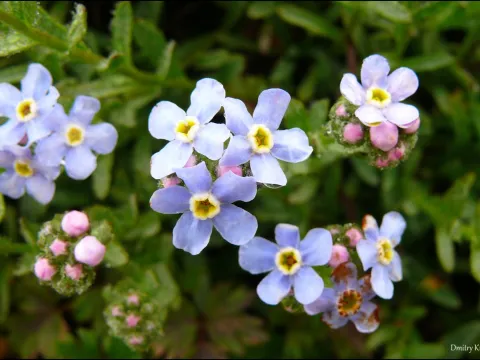
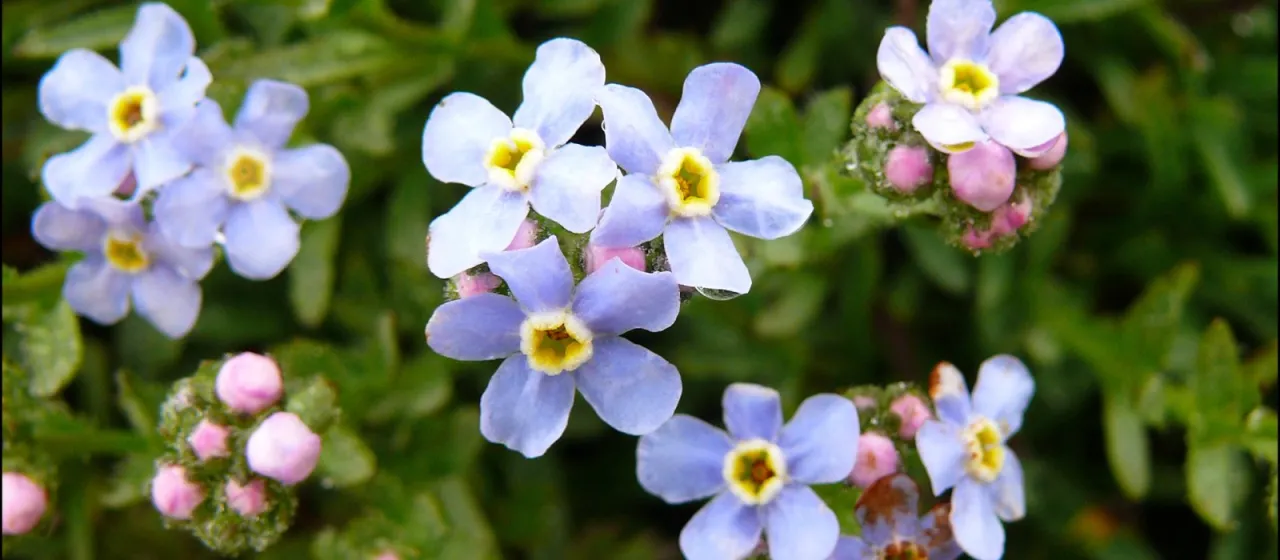
Botanically, Eritrichium nipponicum is characterized by a basal rosette of silvery, pubescent leaves that prevent moisture loss through transpiration. The flowers, which display a brilliant blue pigment, are arranged in terminal clusters. The root system is deep and taproot-based, designed to anchor the plant securely into rocky crevices.
Cultivation requires careful attention to the soil profile. Gardeners must ensure excellent drainage by using a mineral-rich, stony substrate with a neutral to slightly acidic pH. Over-watering is the most significant risk to the plant's survival; therefore, applying grit or coarse gravel around the collar is standard practice to prevent crown rot.
The primary use of this crop is ornamental, specifically within specialized rock garden landscapes. It is not an agricultural commodity, but rather a collector's plant that demands meticulous care. Common pests include spider mites during periods of low humidity, while fungal pathogens are the most frequent health issues in stagnant or poorly ventilated environments.
- Light requirements: Full sun with good airflow.
- Soil texture: Gritty, lean, and highly permeable.
- Watering: Minimal, avoiding saturation of the root zone.
- Propagation: Primarily by seeds or careful division.
Photo gallery