Description
Broadleaf stork's bill (Erodium botrys) is an annual herbaceous plant within the Geraniaceae family. In agricultural contexts, it is primarily recognized as a component of forage landscapes, valued for its ability to provide early-season biomass in Mediterranean-type climates.
Native to the Mediterranean region, the species has successfully naturalized across various continents, including Australia and North America. It typically thrives in open areas, roadsides, and disturbed soils, often appearing as a dominant early-successional plant in grazing lands.
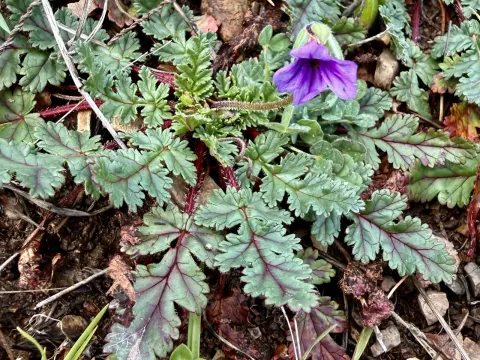
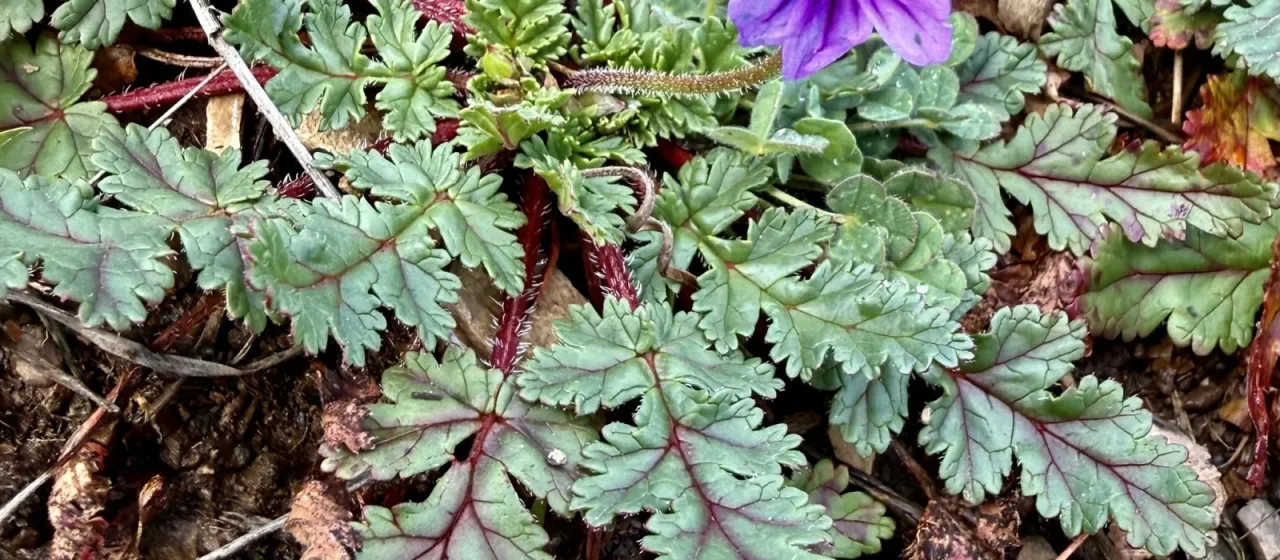
Botanically, the plant is distinguished by its basal rosette of deeply lobed leaves and a stout taproot. Its most notable feature is the fruit, which possesses a long, spirally twisted style that drills the seed into the soil upon hydration, facilitating successful germination in competitive environments.
The plant prefers well-drained, nutrient-rich soils but is notably tolerant of various soil conditions. Agronomic management focus is generally minimal, as the species tends to be self-sustaining. However, managing its presence is necessary when it competes with higher-value forage grasses during drought years.
From a utility standpoint, it serves as nutritious fodder for sheep and cattle during the vegetative stage. Farmers should be aware that the sharp, corkscrew-shaped seeds can injure livestock by penetrating the skin or contaminating fleece, which necessitates careful grazing management during seed set.
- Excellent adaptation to drought-prone areas.
- High biomass production in early spring.
- Advanced seed dispersal mechanism.
- Low requirement for commercial fertilization.
Photo gallery