Description
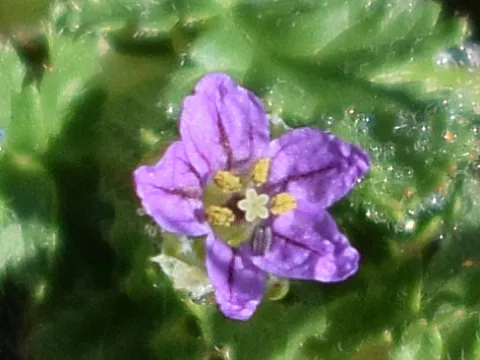
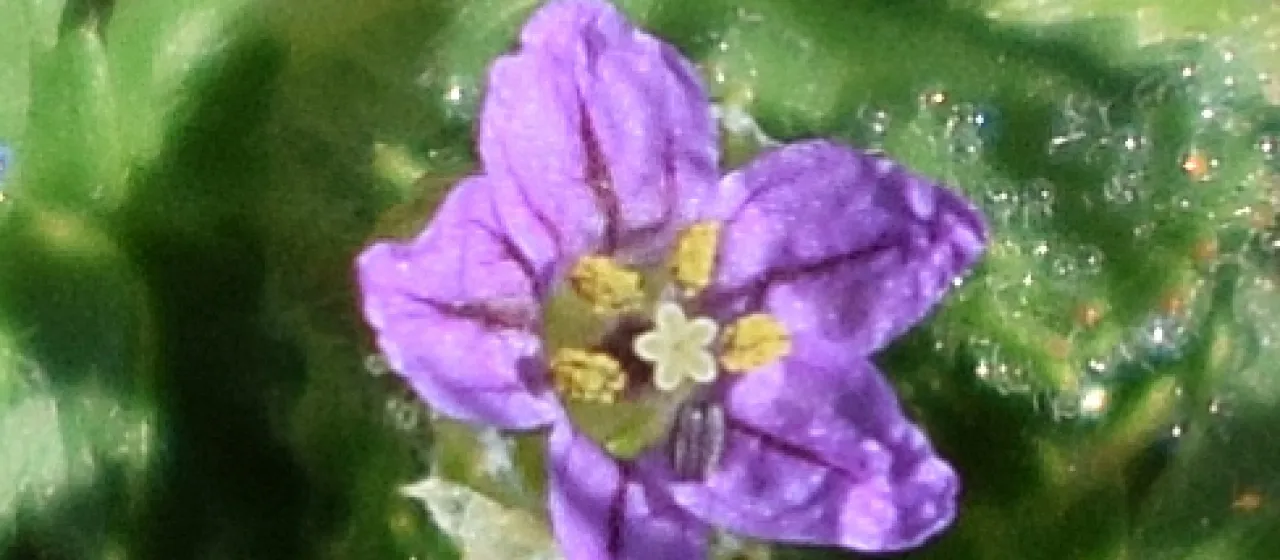
Shortfruit stork's-bill (Erodium brachycarpum) is an herbaceous plant belonging to the Geraniaceae family. In agricultural terms, it is recognized as a hardy annual species that contributes significantly to the botanical composition of natural pastures and rangelands, particularly in regions with Mediterranean-like climate conditions.
The plant originates from North America, with its primary range extending across the western United States. It has proven to be a resilient species that occupies various ecological niches, ranging from open grasslands to disturbed agricultural soils, demonstrating a high level of environmental adaptability across diverse geographical areas.
Botanically, Erodium brachycarpum is characterized by a basal rosette of pinnate leaves and slender, spreading stems. One of its most distinctive features is the structure of its seed pods, which possess specialized awns that twist in response to moisture changes, facilitating the burial of seeds into the soil surface to ensure successful germination in the following season.
Agronomically, this crop thrives in well-drained soils and is particularly noted for its drought tolerance. It does not require intensive fertilization or irrigation, making it a sustainable component for dryland forage systems. Proper field management involves maintaining appropriate grazing pressure to encourage seed dispersal, which sustains the population for subsequent growing cycles.
The primary economic use of this plant is as forage for livestock. It provides a nutritious grazing source during its vegetative stage. While it is rarely grown as a monoculture, its presence in pasture mixes improves the overall quality of forage. Typical threats include fungal leaf spot diseases during prolonged humid weather, while insect pests like aphids may occasionally affect the foliage, though usually without causing significant yield loss.
Photo gallery