Description
The Caraway-leaved stork's bill (Erodium carvifolium) is a perennial herbaceous plant belonging to the Geraniaceae family. While it is not a major staple crop, it serves as a valuable specimen in specialized agronomic projects, botanical gardens, and sustainable landscaping due to its hardiness and unique aesthetic properties.
Originating from the Iberian Peninsula, specifically mountainous regions in Spain and Portugal, this plant has adapted to survive in challenging environments. Its natural habitat includes rocky slopes and well-drained grasslands, reflecting its evolutionary strategy of minimizing water loss while thriving in nutrient-poor substrates.
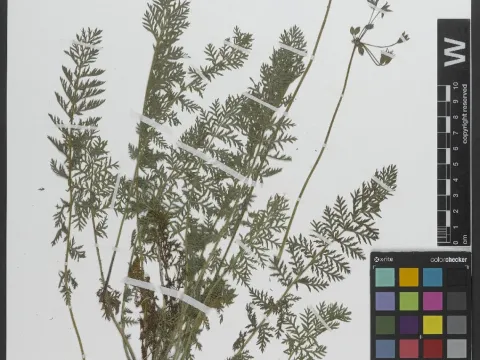
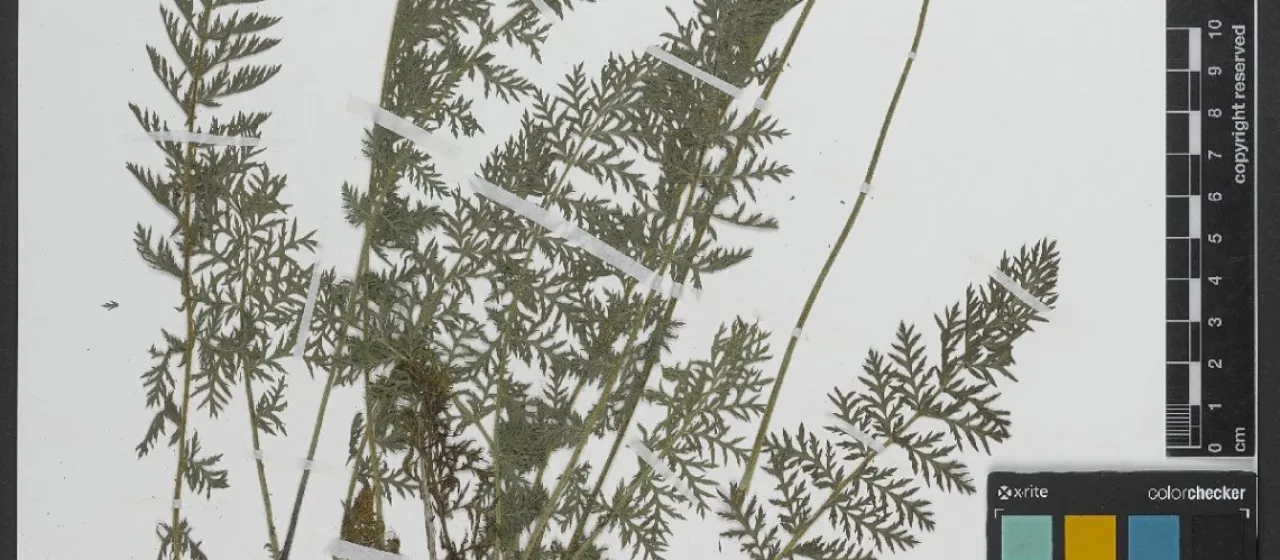
Botanically, Erodium carvifolium is distinguished by its finely divided, pinnate foliage that mimics the appearance of caraway leaves. The inflorescence consists of delicate flowers, typically in shades of pink or purple. It possesses a sturdy taproot system, which helps the plant anchor itself in gravelly soils and efficiently extract moisture during dry spells.
The cultivation requirements for this plant focus on soil structure and drainage. It thrives in well-aerated, slightly alkaline or neutral soils and requires full sun exposure to maintain its compact growth habit. In terms of agronomy, providing a gritty substrate is essential to prevent root rot, as the species is highly susceptible to fungal infections triggered by waterlogged conditions.
In terms of agricultural and landscape utility, it is often utilized for xeriscaping or as an ornamental plant that attracts pollinators. Potential pests include aphids and mites, particularly during periods of high humidity. Diseases are primarily linked to poor soil management, emphasizing the need for a precise irrigation regime to keep the root system healthy and productive.
Photo gallery