Description
Corsican heron's bill (Erodium corsicum) is a low-growing perennial herbaceous plant belonging to the Geraniaceae family. It is widely recognized in horticultural practice for its tidy, mound-forming growth habit and long-lasting floral display, making it an ideal choice for specialized rock gardening.
The species originates from the Mediterranean islands of Corsica and Sardinia. Its natural habitat consists of rocky crevices and gravelly soils, which has significantly influenced its biological needs, particularly its preference for well-drained conditions and tolerance for nutrient-poor substrates.
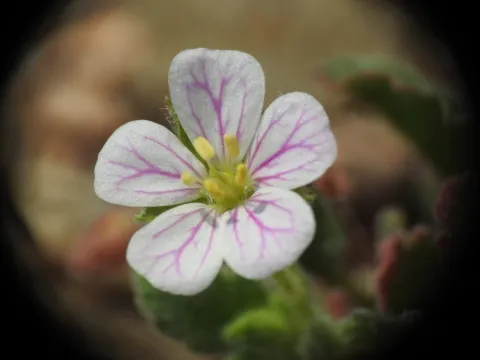
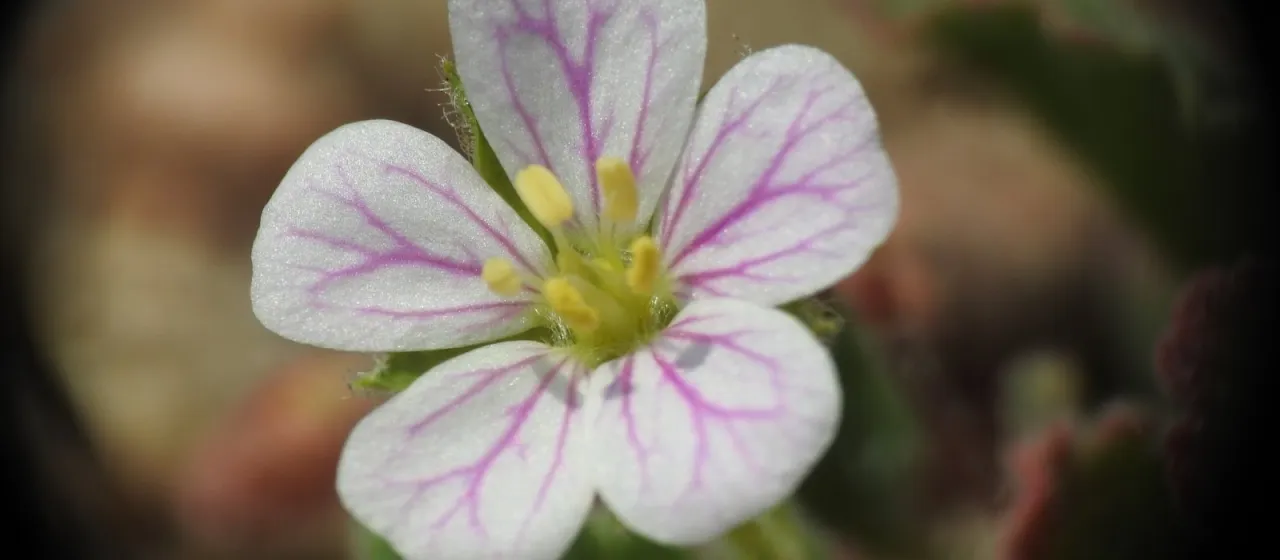
Botanically, the plant is characterized by its small, rounded, velvety-textured leaves arranged in basal rosettes. Its flowers are typically pale pink to deep magenta with distinct veins, appearing on short, sturdy stems. The root system is deep and taprooted, allowing the plant to sustain itself during dry summer spells.
Agricultural and horticultural requirements focus on mimicking its native environment. It thrives in sunny locations and requires gritty, lime-based, or sandy soils. Providing excellent drainage is the most critical management factor, as the species is highly susceptible to root rot if stagnant water occurs around the crown.
In terms of хозяйственное (economic) use, Erodium corsicum is primarily utilized in landscape design for rockeries, troughs, and alpine beds. It is generally resistant to pests and diseases, provided that moisture management is controlled. Occasional aphids or spider mites may occur during periods of extreme heat, requiring standard botanical pest control measures.
Photo gallery