Description
Blue heron's bill (scientific name Erodium crinitum) is a herbaceous annual plant belonging to the Geraniaceae family. Like other members of the Erodium genus, it is widely recognized for its unique seed dispersal mechanism, where the spirally coiled awns of the seeds act as a drill to bury them into the soil.
The origin of Erodium crinitum is primarily traced to the Australian continent, where it is a native species. Its natural range extends across various temperate regions of Australia, where it thrives in open grassland environments and constitutes an important component of the local vegetation cover.
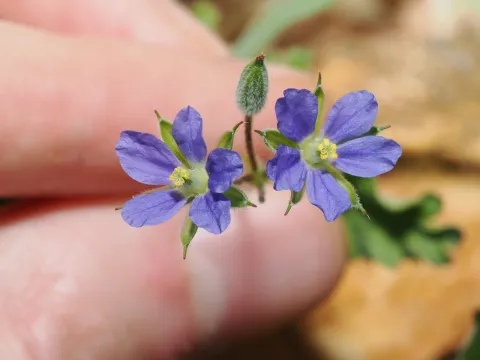
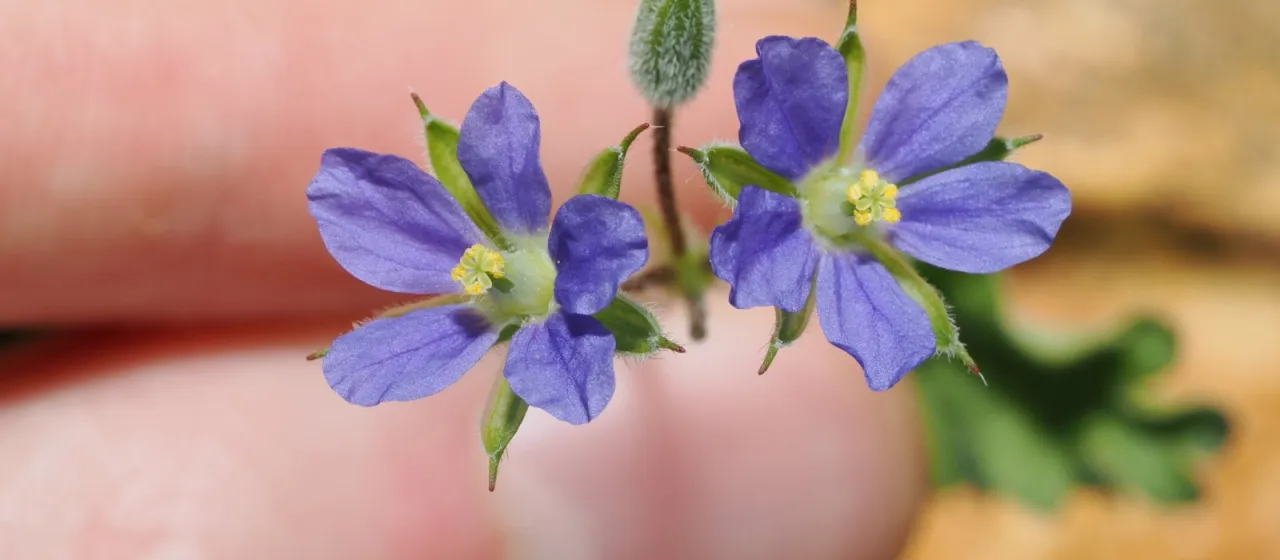
Botanically, the plant is characterized by a low-growing habit with a rosette of basal, pinnately divided leaves. It produces delicate, often pale blue or pinkish-purple flowers. A key feature of its biology is its rapid growth cycle, which allows it to capitalize on cool-season moisture before the onset of summer drought.
Regarding climate and soil requirements, Erodium crinitum is highly adaptable to a variety of soil textures but prefers well-drained loamy or sandy soils. It is well-suited for Mediterranean-style climates, characterized by wet winters and dry summers. The agricultural management involves regulated grazing intensity to ensure seed production and population regeneration.
The primary agricultural utility of this species lies in its value as a high-quality forage crop for livestock, particularly sheep. It provides essential biomass during the early growth stages of the season. Common issues affecting its growth include:
- Root rot fungi in waterlogged conditions
- Aphid infestations during dry spells
- Competition from invasive weed species
- Damage caused by overgrazing
Photo gallery