Description
Pyrenean storksbill (Latin: Erodium glandulosum) is a perennial herbaceous plant belonging to the Geraniaceae family. While primarily utilized in horticulture, its specific environmental requirements make it an interesting subject for specialized botanical cultivation and alpine garden management.
The plant originates from the high-altitude regions of the Pyrenees. This geographic origin dictates its preference for specific ecological niches, such as rocky slopes and scree, where the soil conditions are typically poor in nutrients but excellent in drainage, allowing the plant to thrive in harsh mountain climates.
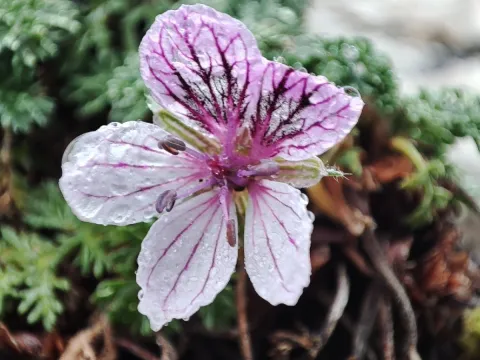
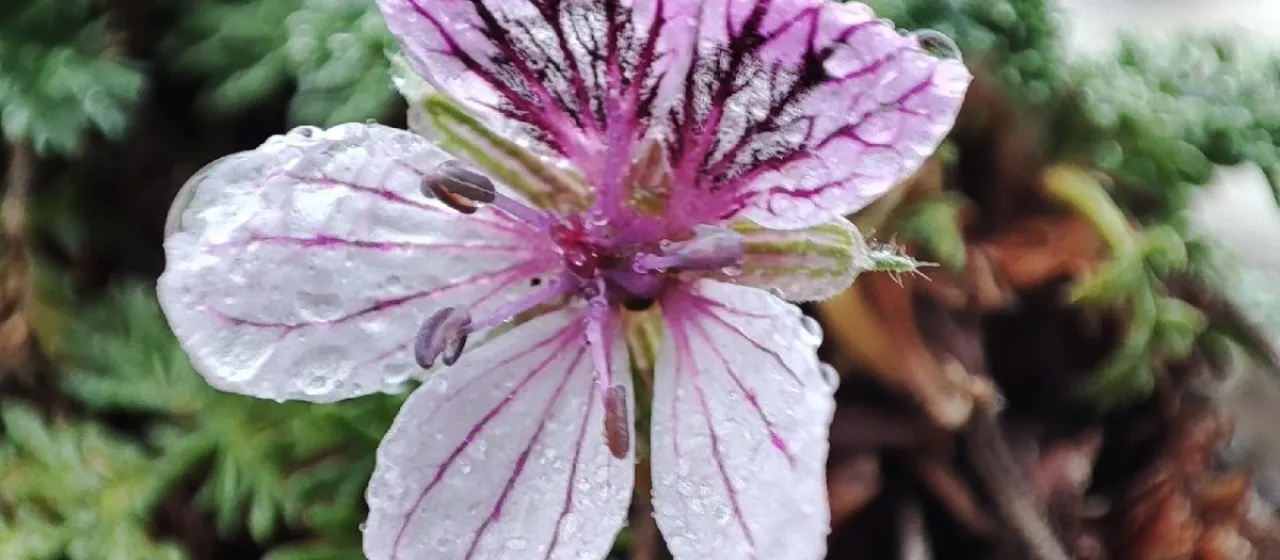
Botanically, it is characterized by a compact rosette of finely divided, hairy, and glandular leaves. The presence of these glandular structures gives the plant a distinct texture and appearance. Its flowers are typically pink with darker veins, presenting a delicate aesthetic that belies the plant's robust nature in appropriate settings.
Successful cultivation requires attention to soil structure; it demands perfectly draining, gritty soils to prevent root rot. It is a heliophilic plant, requiring direct sunlight to maintain its compact growth habit and consistent blooming. While it tolerates limited moisture, stagnant water is detrimental to the plant's health.
The primary use of Erodium glandulosum is in rock gardens and containers where environmental conditions can be strictly controlled. It is relatively resistant to pests, though it may suffer from fungal infections if grown in overly damp, poorly ventilated environments. Regular maintenance involves deadheading to prolong the flowering season and ensuring the drainage remains unobstructed.
Photo gallery