Description
Storksbill, known scientifically as Erodium gruinum, is a herbaceous plant belonging to the Geraniaceae family. It is a distinct species within its genus, characterized by its robust growth habit and significant adaptation to Mediterranean environmental conditions.
The native range of this species spans across the Mediterranean Basin, Northern Africa, and Western Asia. Throughout these regions, it thrives in dry, rocky terrain and open grasslands. Its ability to colonize marginal lands makes it a species of interest for rehabilitation of degraded soils and extensive grazing management.
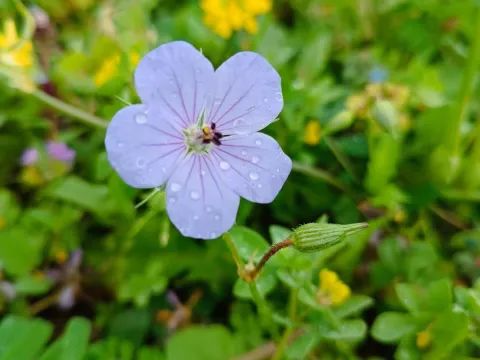
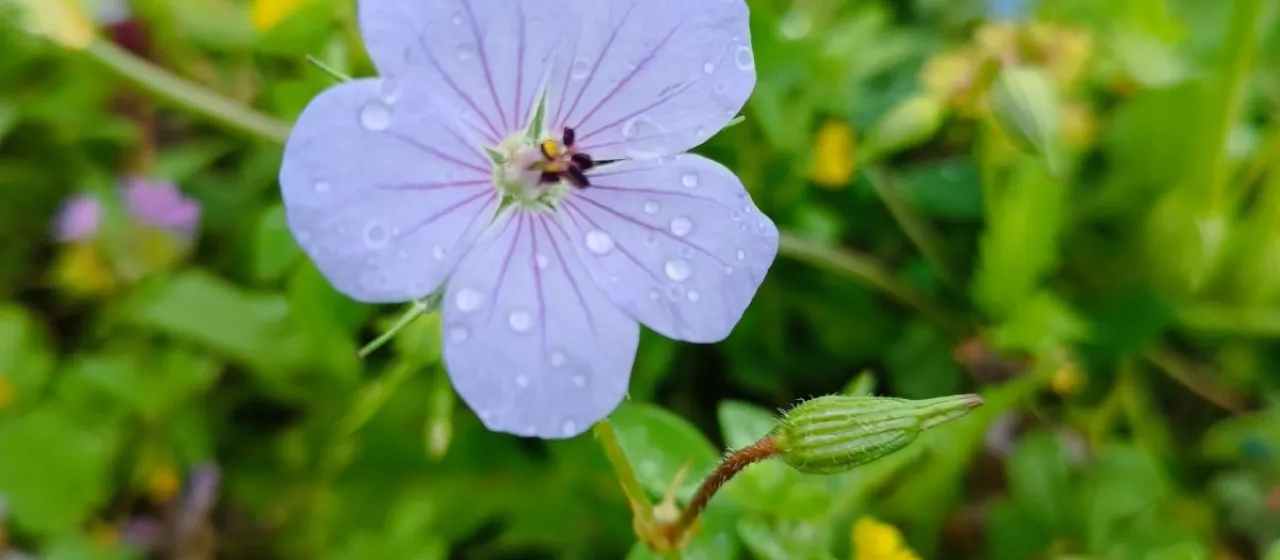
Botanically, Erodium gruinum is distinguished by its deeply lobed leaves and attractive, relatively large blue-to-violet flowers. The plant's fruit mechanism is its most defining feature, consisting of a long, beak-like structure that splits into individual, self-burying seeds, a classic adaptation for arid environments to ensure successful germination.
Regarding cultivation, this crop requires well-drained, sandy or loamy soils with a neutral pH level. It is a heliophilic plant, demanding full sun exposure to achieve optimal growth and flowering. Agricultural management should prioritize avoiding excessive soil moisture, as the plant is highly susceptible to root damage in stagnant, water-logged soil conditions.
The economic utility of the plant is primarily centered on forage production for livestock, particularly in arid regions where other forage crops struggle. Additionally, it possesses potential as an ornamental plant in xeriscaping, providing aesthetic value without the need for intensive irrigation. It is also recognized for its role in supporting local pollinator populations.
- Vulnerable to powdery mildew in high-humidity environments.
- Susceptible to aphid infestations during stress periods.
- Minimal disease pressure when cultivated in well-drained, sunny conditions.
Photo gallery