Description
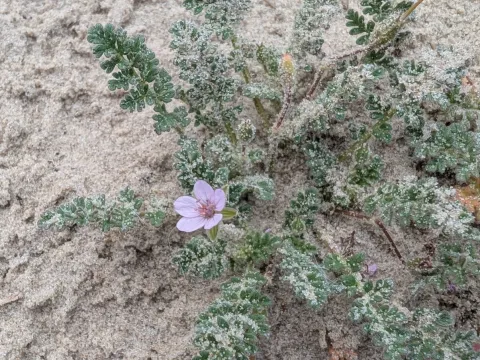
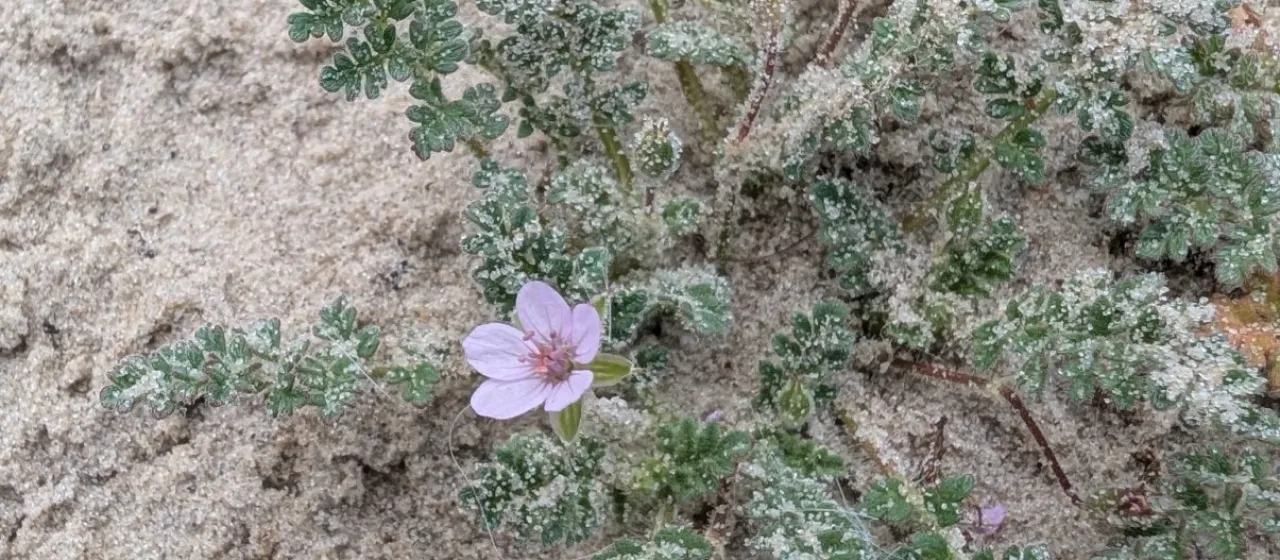
Lebel's storksbill (Erodium lebelii) is a herbaceous plant belonging to the Geraniaceae family. In agricultural and environmental contexts, it is recognized for its ability to thrive in challenging environments, making it a subject of interest for soil stabilization and specialized vegetation programs.
The species originates from coastal areas of Europe, particularly favoring sandy dunes and maritime habitats. Its distribution is closely linked to its adaptation to nutrient-poor soils and high salinity, where it competes effectively with other pioneer species to establish ground cover.
Botanically, Erodium lebelii is a low-growing plant characterized by pinnately lobed leaves and delicate umbrella-like inflorescences. The plant's reproductive success is supported by specialized seeds equipped with long awns that drill into the soil, ensuring germination in shifting sandy substrates.
Cultivation requirements focus on providing well-drained, sandy soil and full sun exposure. It is highly drought-tolerant, meaning that irrigation should be kept to a minimum to prevent root diseases. The plant thrives in nitrogen-poor environments, so intensive fertilization is generally avoided in management protocols.
Potential agricultural and commercial uses include:
- Bio-engineering for erosion control and sand dune stabilization.
- Low-input forage on arid pasture lands.
- Potential research into bioactive compounds for medicinal purposes.
- Use in sustainable landscape design for water-wise gardens.
The plant is relatively resilient, but it can be susceptible to fungal infections such as powdery mildew in humid, poorly ventilated areas. Pests like aphids may occasionally infest young growth during the active growing season. Preventive agronomy practices, such as maintaining optimal plant density, are key to minimizing these issues.
Photo gallery