Description
Erodium malacoides, commonly known as the Mediterranean storksbill, is an annual or biennial herbaceous plant belonging to the Geraniaceae family. In agricultural settings, it is recognized for its role in natural pastures and its contribution to livestock forage, particularly in arid and semi-arid environments where other grasses may struggle.
Native to the Mediterranean region, North Africa, and Western Asia, this plant has spread to various temperate climates globally. It typically thrives in open fields, rocky outcrops, and disturbed agricultural soils, demonstrating an ability to colonize diverse landscapes through efficient seed dispersal and rapid growth cycles.
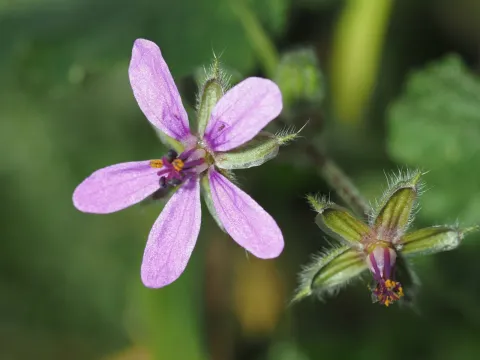
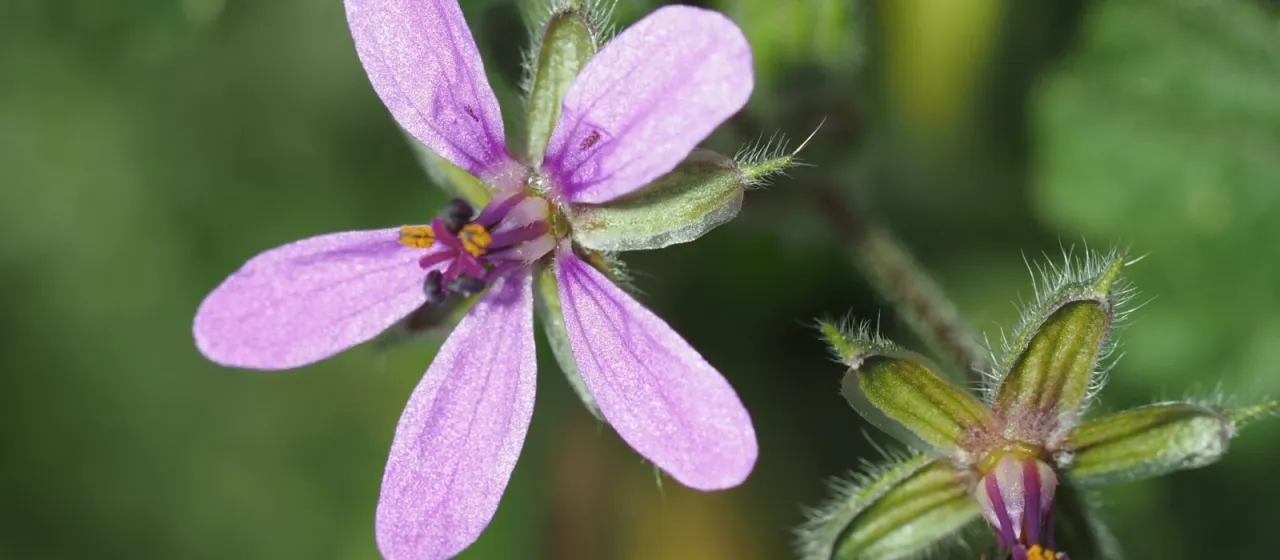
Botanically, the species is characterized by prostrate or ascending stems covered in glandular hairs and distinct, serrated leaves reminiscent of mallow foliage. The flowers are small, typically violet or pink, arranged in umbellate clusters. A key feature is the fruit, which possesses a specialized awn that twists under changing humidity, facilitating the burial of seeds into the soil profile.
Regarding cultivation requirements, Erodium malacoides prefers well-drained, sandy or loamy soils and is highly adapted to high-light conditions. It exhibits exceptional drought tolerance and performs best when moisture is available during the initial growth phase, followed by dry conditions during the maturation of the seed heads.
The primary agricultural use is as a component of livestock forage, though it can become an invasive weed in sensitive crop areas. Management strategies focus on controlling its density to prevent competition with primary crops. Key pests and diseases include:
- Aphid infestations which can impact plant vigor.
- Root pathogens prevalent in waterlogged conditions.
- Powdery mildew which may affect foliage under high humidity or poor ventilation.
Photo gallery