Description
Erodium rodiei is a rare herbaceous plant species belonging to the Geraniaceae family. While not typically utilized in large-scale field agriculture, it holds specific value in botanical research and specialized horticultural circles. Its distinct morphology and evolutionary adaptations make it a unique subject for studying plant resilience in harsh environments.
The plant originates from Mediterranean regions, typically inhabiting rocky slopes and open, arid areas. Its cultivation range is generally limited to regions with mild climates that mimic its natural habitat. It thrives in environments where sunlight is abundant and thermal fluctuations are moderate, preventing severe frost damage during the early developmental stages.
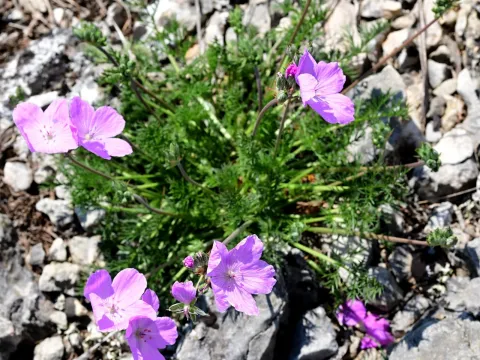
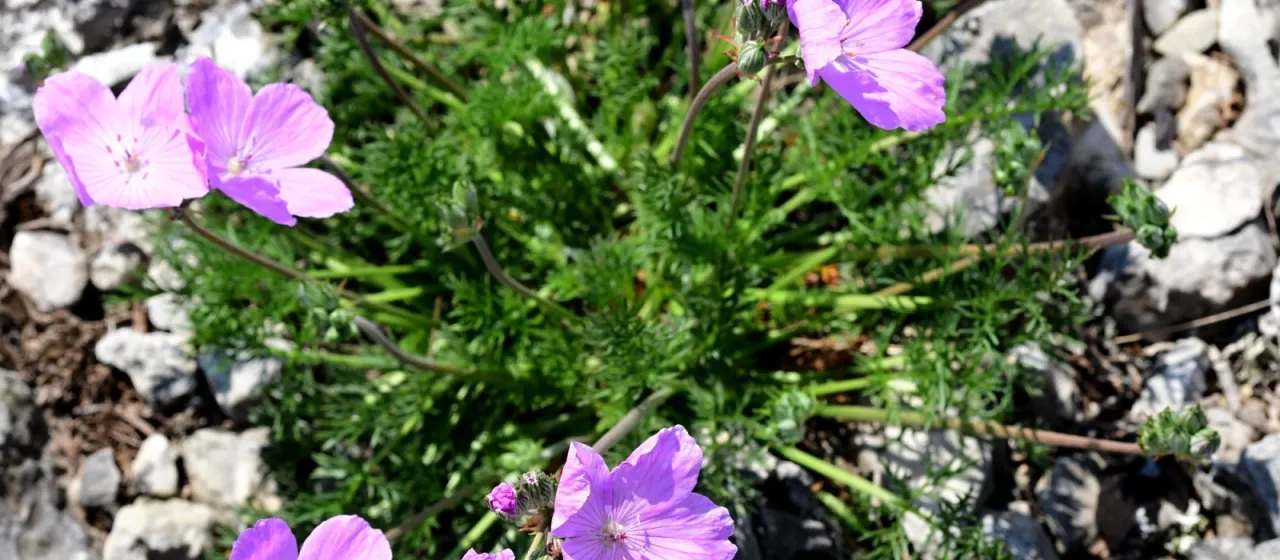
Botanically, Erodium rodiei is characterized by a basal rosette of pinnately lobed leaves. The plant produces delicate flowers that develop into elongated seed pods resembling a stork's bill—a diagnostic trait of the Erodium genus. These structures facilitate efficient seed dispersal in dry environments through mechanical movement triggered by humidity changes.
Successful cultivation of this species depends on providing well-drained, porous soil with a neutral to slightly alkaline pH. The plant is highly sensitive to waterlogged conditions, which can lead to root rot. Irrigation practices must be controlled, ensuring the soil is allowed to dry out significantly between watering sessions to emulate natural dry-season cycles.
- Requires high levels of solar radiation for optimal growth.
- Prefers sandy or gravel-rich soil compositions.
- Minimal fertilization requirements compared to leafy crops.
- Excellent suitability for rock gardens and arid landscaping.
The primary use of Erodium rodiei is decorative, particularly in dry-garden landscaping and alpine collections. The plant is naturally resistant to many pests, but growers must monitor for fungal issues related to soil pathogens. Maintaining excellent airflow and avoiding excessive moisture in the root zone are the most effective management strategies against common diseases.
Photo gallery