Description
Storksbill (Erodium triangulare) is a herbaceous plant belonging to the Geraniaceae family. Known for its resilience, this species serves as a valuable forage crop in arid environments and is recognized for its ability to thrive where many other traditional fodder plants fail.
Originating from the Mediterranean basin, the species has expanded its range across various continents, including parts of Europe and Australia. It is highly adapted to sandy and rocky soils, often pioneering growth in disturbed habitats, which underscores its importance for soil stabilization in agricultural land management.
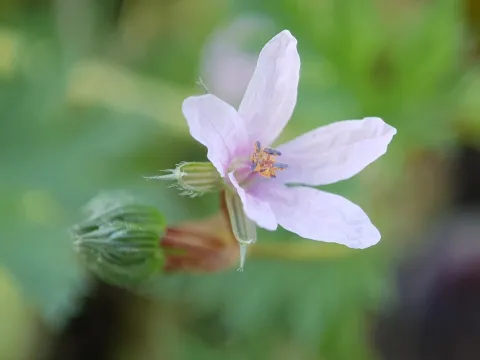
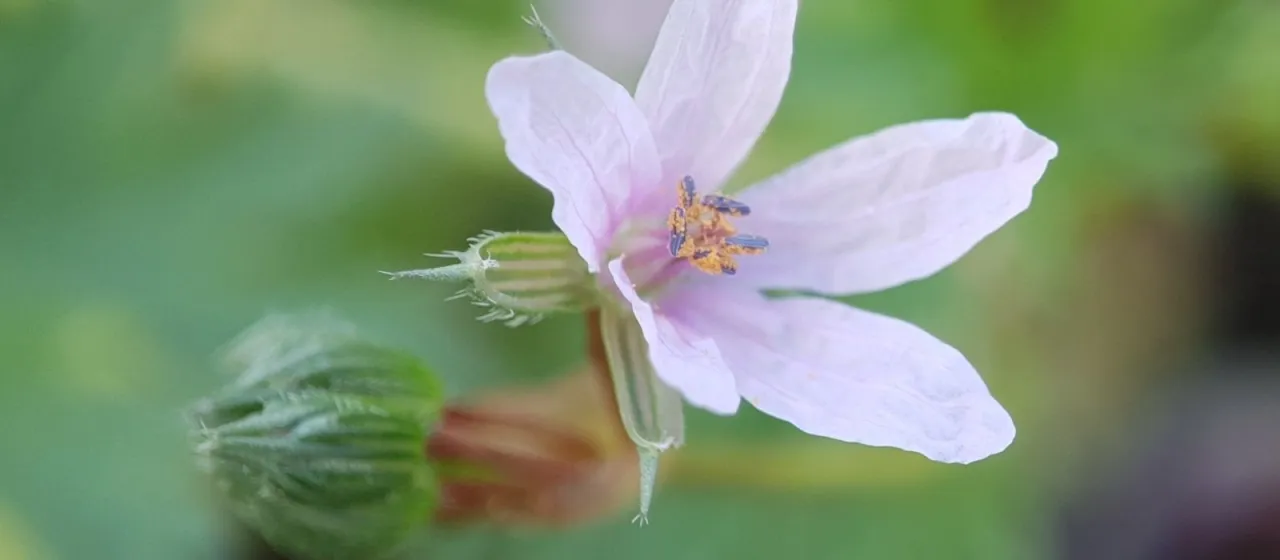
The botanical structure of Erodium triangulare is characterized by a basal rosette of pinnate or triangular leaves. Its reproductive stage features distinct pink to purple flowers, followed by elongated fruits that resemble a stork's beak, which serves as a highly effective mechanism for seed dispersal in open terrains.
Regarding climate and soil, this plant demands high levels of sunlight and well-aerated, dry soils. Agronomic practices for this crop focus on minimal soil disturbance to preserve the structure of the rooting zone. It requires very little irrigation, making it a sustainable choice for low-input farming systems in water-scarce regions.
Economically, the plant is primarily utilized for livestock grazing and as a nectar source for pollinators. While it is generally hardy, it can be susceptible to common pests such as aphids or leaf beetles, and over-saturation of the soil can lead to root pathogens. Effective crop management includes periodic monitoring for pests and ensuring adequate drainage to prevent fungal infections.
Photo gallery