Description
Erycibe henryi is a remarkable species of woody vine belonging to the Convolvulaceae family. Unlike its herbaceous relatives, such as morning glories, this plant develops a distinct woody stem, allowing it to climb high into the forest canopy. It is considered an important botanical specimen for its unique evolutionary divergence within the morning glory family.
The native range of Erycibe henryi is concentrated in the humid forest regions of East Asia, primarily within China. It thrives in dense, tropical environments where it utilizes surrounding vegetation as natural support. This ecological adaptation allows it to access sunlight in the competitive, multi-layered forest structure, making it a key component of its native habitat.
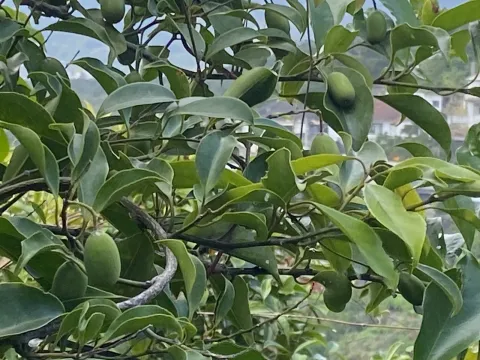
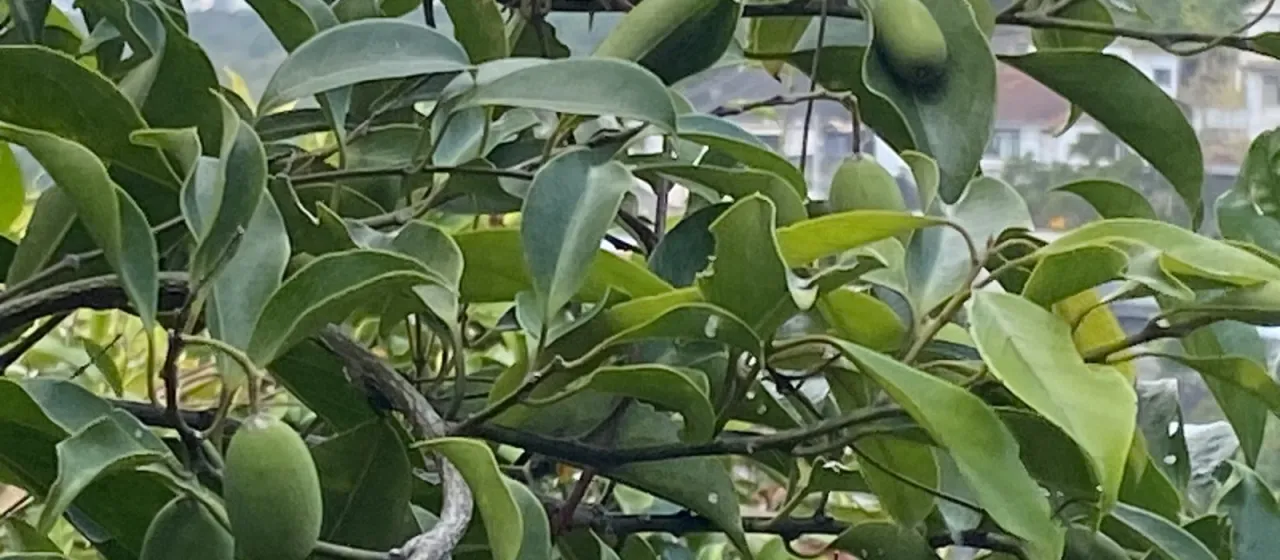
Botanically, the plant is characterized by leathery, evergreen leaves and clusters of flowers that exhibit the typical tubular structure of the Convolvulaceae family. The fruit is typically a fleshy berry, which sets it apart from the dry seed capsules common in other members of the family. This reproductive trait is an important evolutionary strategy for seed dispersal by birds and small forest mammals.
In terms of cultivation, Erycibe henryi demands a climate that mimics its native tropical environment. It requires high humidity, consistent temperatures, and well-draining, nutrient-rich soil. Agrotechnical practices should focus on providing adequate vertical support, as the vine is highly vigorous and requires structural integrity to grow optimally without trailing on the ground.
Economic and research interests in Erycibe henryi are largely tied to its phytochemical properties. Various studies are currently exploring the potential medicinal applications of its secondary metabolites, particularly regarding their anti-inflammatory and biological activities. Additionally, the plant holds potential for use in specialized tropical landscape design where robust, woody climbers are required for vertical coverage.
- Requirement for high ambient humidity during the growing season.
- Tolerance for partial shade, mimicking the forest understory.
- Susceptibility to root rot if soil drainage is poor.
- Importance of stable temperatures to prevent leaf drop.
Photo gallery