Description
Erycibe subspicata is a woody vine species belonging to the Convolvulaceae family. Unlike many herbaceous relatives in this family, this plant develops robust, lignified stems, allowing it to function as a significant climber within its native forest ecosystem, often reaching into the canopy to access light.
The origin of this culture is rooted in the tropical regions of Southeast Asia. It is primarily found in countries such as Indonesia, Malaysia, and the Philippines. The plant thrives in humid tropical environments where it can benefit from consistently high temperatures and high precipitation levels throughout the year.
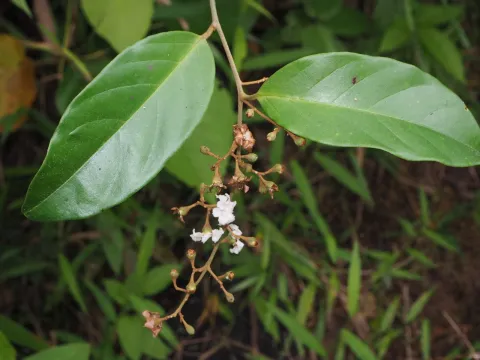
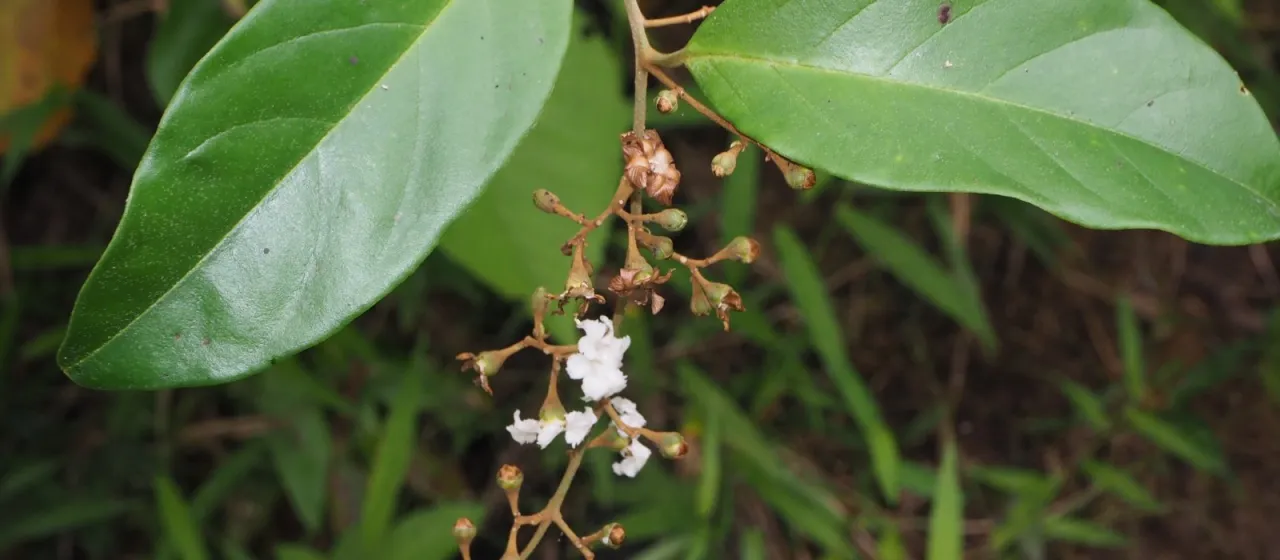
Botanically, the species is distinguished by its leathery, elliptical leaves and small flowers arranged in spike-like inflorescences. A notable characteristic is its fruit, which manifests as a fleshy berry rather than a dry capsule—a distinct trait that sets it apart from many other members of the morning glory family.
Cultivation requirements necessitate fertile, well-draining soil rich in organic matter. As a tropical species, it is highly sensitive to cold temperatures and frost. In an agricultural setting, providing adequate vertical support is crucial for its development, as is the maintenance of high humidity and protection from extreme wind, which can damage the foliage.
The primary agricultural and economic focus for Erycibe subspicata lies in its pharmacological potential. Research into its chemical constituents suggests that it contains various bioactive compounds, which are being investigated for possible medicinal applications. While not a large-scale commercial crop, it holds value for niche agricultural production and botanical research.
Pest and disease management involves monitoring for common tropical plant enemies such as spider mites and scale insects. Maintaining soil moisture balance is essential to prevent root rot, which is the most frequent cause of health decline in cultivated specimens. Regular pruning is also recommended to ensure air circulation and healthy growth cycles.
Photo gallery