
Eupatorium japonicum
Eupatorium japonicum Thunb.
Description
Eupatorium japonicum Thunb. is a perennial herbaceous plant belonging to the Asteraceae family. Known in many contexts as a valuable medicinal plant, this species has been integrated into various horticultural practices due to its resilience and ecological utility in temperate regions.
The native distribution area of this species encompasses East Asia, including Japan, China, and parts of the Russian Far East. It thrives in diverse habitats, primarily in moist meadows, near stream banks, and in open forest edges. Its adaptability makes it a versatile candidate for cultivation in managed agricultural settings that mimic these natural moist conditions.
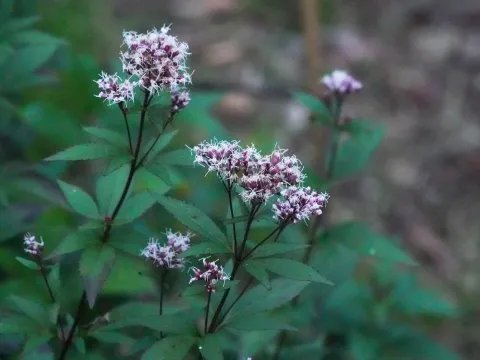
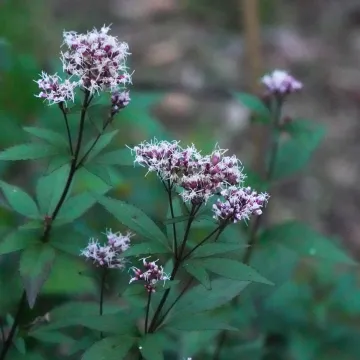
Botanically, the plant is characterized by its robust, erect stems and opposite, lanceolate leaves with serrated margins. The inflorescences are dense corymbs of small, tubular flowers that emerge in late summer. The root system is perennial and spreading, which contributes to the plant's stability and survival across successive growing seasons.
Agrotechnical requirements for Eupatorium japonicum focus on maintaining consistent soil moisture and nutrient availability. It prefers rich, loamy soils with a slightly acidic to neutral pH. Regular irrigation is crucial during the active growth phase. Propagation is most efficiently achieved through root division in the early spring, allowing the plants to establish before the onset of the heat of summer.
The plant is primarily utilized in the pharmaceutical industry and traditional medicine, as well as in ornamental landscaping for butterfly gardens. Typical pests include aphids and mites, while fungal pathogens like powdery mildew can affect the foliage in poorly ventilated areas. Maintaining optimal spacing and monitoring for early signs of disease are essential for successful production.
Photo gallery