
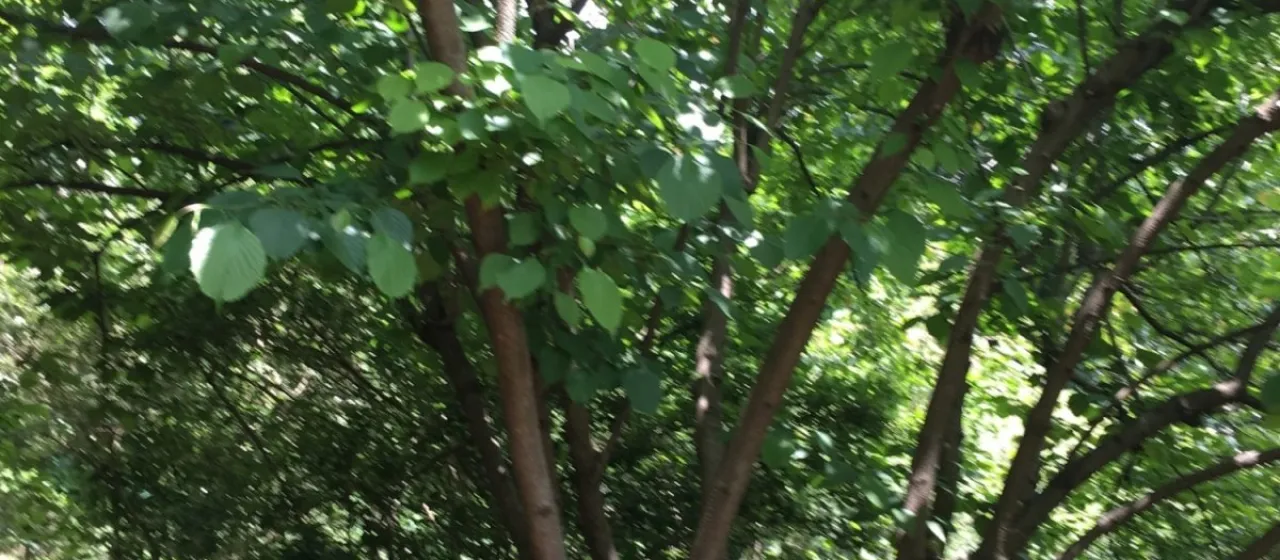
Description
Euptelea pleiosperma is a distinct deciduous tree or shrub belonging to the monotypic family Eupteleaceae. It is highly valued in horticulture for its architectural form and the unique display of apetalous flowers that emerge along the stems in early spring before the foliage fully develops.
The species originates from the mountain forests of China, thriving in temperate, humid environments at high altitudes. Its natural habitat is characterized by filtered light and protection from harsh winds, which dictates the specific requirements for successful cultivation in garden settings.
Botanically, the plant is recognized by its serrated, alternate leaves and reddish flowers lacking petals and sepals. Its seasonal interest is enhanced by a spectacular display of autumn foliage, ranging from vibrant gold to intense crimson, making it an excellent specimen plant for temperate climate landscapes.
Cultivation requires deep, humus-rich, and well-drained soil with a slightly acidic to neutral pH level. As an understory plant in its natural environment, it benefits from partial shade and protection from dry winds. Consistent moisture is critical, especially for young specimens, as the plant is sensitive to prolonged drought conditions.
Currently, Euptelea pleiosperma is primarily used for ornamental purposes in botanical gardens and private collections. While it is remarkably resilient against common garden pests, gardeners must ensure proper drainage to prevent root fungal issues. Propagation is typically achieved through seeds, which often require a period of cold stratification to break dormancy.