
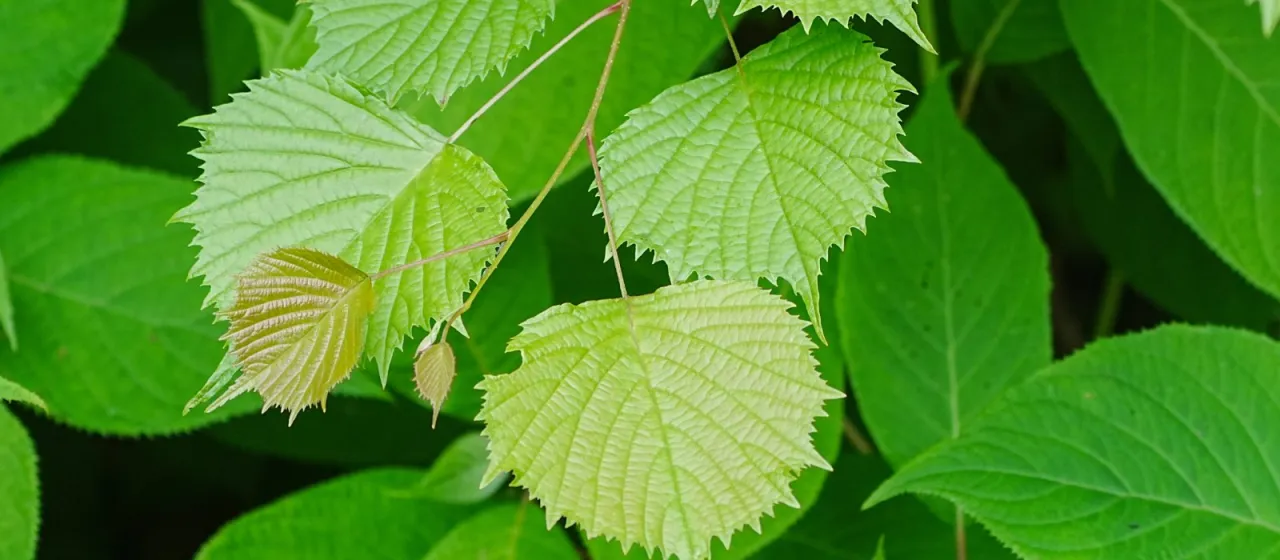
Description
Euptelea polyandra, commonly known as the Japanese euptelea, is a deciduous tree or large shrub that belongs to the small family Eupteleaceae. Native to the mountainous regions of Japan, this species grows naturally in moist, sheltered valleys and forest margins, reflecting its inherent requirement for a specific microclimate to thrive.
The plant is botanically renowned for its primitive flower structure, lacking both petals and sepals. Instead, the flowers feature numerous prominent, reddish stamens that hang in clusters, providing a unique aesthetic during the early spring season. Its foliage is equally distinctive, characterized by rounded, serrated leaves that turn vibrant shades of yellow and crimson during the autumn months.
Cultivation of this species demands specific environmental conditions, primarily deep, humus-rich, and well-drained soils that remain consistently moist. It performs best in partial shade, as intense sunlight and heat can lead to leaf scorch and reduced vigor. It is well-suited to cool temperate regions that avoid extreme, desiccating winters or severe droughts.
Agricultural management requires regular irrigation and the application of organic mulches to protect the root zone from temperature fluctuations. While it is not a heavy feeder, balanced fertilization in early spring supports healthy growth. Propagation is typically achieved through seeds, although the process requires patience due to the necessity for lengthy stratification to break dormancy.
Economically, Euptelea polyandra is primarily utilized in ornamental horticulture and landscape design for its high aesthetic value. In its native Japan, the wood, which is dense and resilient, is occasionally harvested for craft work and the manufacture of high-quality traditional musical instruments or fine tool handles, although it is not a major commercial timber crop.
The plant is relatively resistant to major pests, but it remains susceptible to fungal issues if grown in poorly drained, waterlogged soils. Common concerns include aphids affecting young growth during the spring flush and root rots caused by environmental stress. Ensuring proper air circulation and optimal soil drainage are the most effective preventive measures for maintaining plant health.