
Description
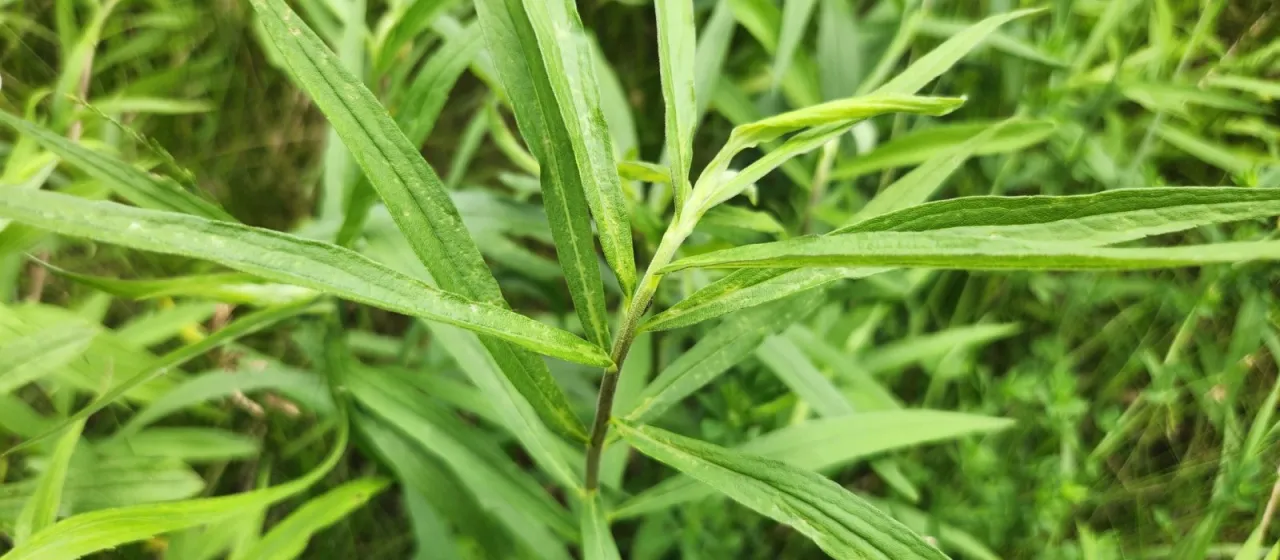
Grass-leaved goldenrod (lat. Euthamia graminifolia) is a perennial herbaceous plant belonging to the Asteraceae family. While often found in the wild, it is treated as a specialized ornamental crop in agricultural and horticultural settings, prized for its unique foliage and bright inflorescences.
The plant originates from North America, where it thrives in wetlands, prairies, and open meadows. Its natural distribution range has expanded due to its adaptability, making it a recognized species across various temperate regions. In cultivation, it is valued for its hardiness and ability to thrive in diverse ecological niches.
Botanically, the plant is characterized by slender, grass-like leaves arranged along an upright stem, usually growing up to one meter in height. Its yellow, composite flowers appear in dense corymbs, creating a flat-topped appearance that is distinct from other species of the goldenrod genus. Its creeping rhizomes allow it to form dense, stable colonies over time.
Requirements for successful growth include well-drained but moist soils and full sun exposure. From an agronomic perspective, it is a low-maintenance plant that requires minimal fertilization. However, growers must be aware of its aggressive spread through rhizomes, which may necessitate physical barriers to keep the plants within a designated growing area.
The primary agricultural and commercial uses for this plant include use in floral design, naturalistic landscape restoration, and its role as a late-season nectar source for bees and butterflies. Typical pests include aphids, which may cluster on the flower buds, and spider mites. Diseases such as powdery mildew may occur in overly crowded or poorly ventilated planting environments.