
Spotted Joe-Pye weed
Eutrochium maculatum (L.) E. E. Lamont var. maculatum
Description
Spotted Joe-Pye weed (Eutrochium maculatum) is a tall-growing herbaceous perennial plant belonging to the Asteraceae family. Known for its architectural stature and large, nectar-rich flower heads, this plant is a staple in naturalistic garden designs and prairie-style plantings, providing significant seasonal interest from mid-summer until late autumn.
The species is native to North America, primarily inhabiting wet meadows, thickets, and woodland edges. This adaptation to moisture-rich environments makes it an excellent candidate for rain gardens or low-lying areas in the landscape. It has been widely introduced into horticultural practices across various temperate zones due to its hardiness and low-maintenance profile.
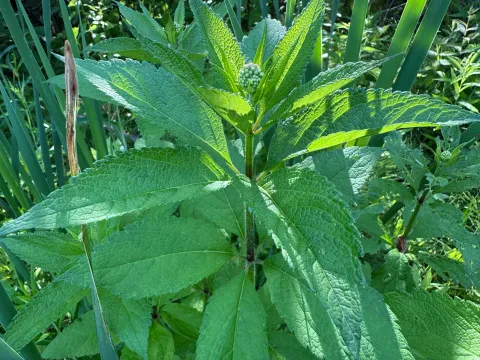
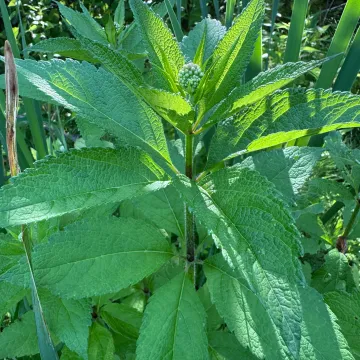
Botanically, the plant is characterized by sturdy, purple-spotted stems that can reach heights of up to two meters. The leaves are arranged in whorls, featuring a serrated texture and deep green color. The flowers, ranging from soft pink to vibrant purple-magenta, are borne in large corymbs that serve as an essential food source for pollinators like butterflies and native bees.
Cultivation requirements for this species are centered on soil moisture management. It thrives in rich, consistently moist, but well-draining soils. While it prefers full sun to light shade, it is imperative to protect the root zone from extreme desiccation during mid-summer. Proper spacing is necessary to ensure adequate air circulation, which prevents the development of foliage-related issues.
Maintenance involves minimal intervention: cutting back old stems in late winter or early spring to encourage new growth. While generally robust, the plant can be susceptible to common garden pests and pathogens if conditions are poor. Monitoring for powdery mildew is recommended in humid climates, while ensuring adequate organic matter in the soil helps maintain the plant's overall health and vigor for many years.
Photo gallery