
Spotted Joe-pyeweed
Eutrochium maculatum (L.) E. E. Lamont
Description
Spotted Joe-pyeweed (Eutrochium maculatum) is a robust perennial herb belonging to the Asteraceae family. Known for its imposing stature, this plant can grow up to seven feet tall, serving as a structural centerpiece in various garden layouts. Its dramatic height and late-season blooms make it a staple in naturalistic and prairie-style plantings.
Native to North America, the plant thrives in moist habitats such as meadows, floodplains, and wetland margins. Its successful cultivation is strictly linked to its ability to adapt to fertile, water-retentive soils. It has become widely distributed in many temperate regions due to its resilience and visual impact in diverse gardening applications.
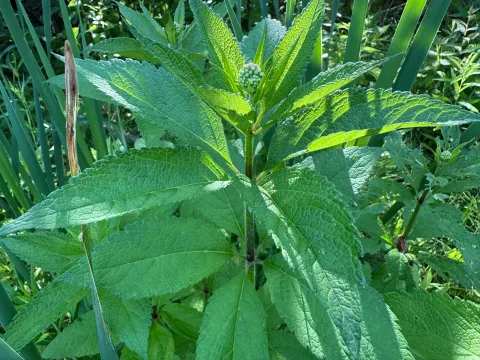
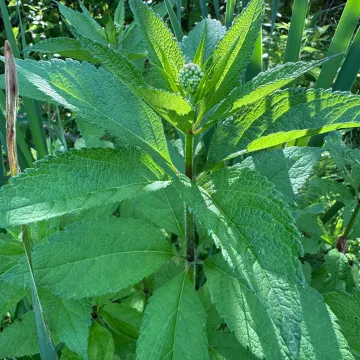
The botanical profile of the plant is defined by its purple-spotted, sturdy stems and whorled, lance-shaped leaves with serrated margins. The inflorescences are dense, dome-shaped clusters of tiny, fragrant, rose-purple florets. These structures are not only visually appealing but also act as a vital nectar source for various butterfly species and native pollinators.
Cultivation requires specific environmental conditions, primarily high moisture availability and rich, humus-based soil. Unlike many ornamental perennials, this species will suffer if allowed to dry out completely. Regular maintenance includes annual pruning of dead stems in late winter or early spring and occasional division of clumps to prevent overcrowding.
- Planting in locations with full sun or partial shade.
- Ensuring consistent soil moisture levels throughout the season.
- Applying organic mulch to retain soil humidity.
- Monitoring for powdery mildew in humid, still air conditions.
- Dividing mature clumps every few years to maintain vigor.
Economically and horticulturally, the plant is highly valued for pollinator gardens and sustainable landscaping. While generally hardy, the plant is susceptible to common garden pests like aphids and leaf miners, though they rarely cause fatal damage. Proper sanitation and healthy soil conditions are usually sufficient to maintain a productive and aesthetically pleasing planting.
Photo gallery