
Description
Fallopia dentatoalata is a herbaceous plant belonging to the Polygonaceae family. In agronomy, it is primarily identified by its rapid growth habits and its role as a persistent colonizer of disturbed landscapes. Although not a traditional commercial crop, understanding its biological cycle is vital for effective field management and preventing its spread into high-value agricultural zones.
The native range of this species is centered in East Asia, encompassing regions in China, Japan, and the Korean Peninsula. As an introduced species in various parts of the globe, it has demonstrated a remarkable ability to adapt to diverse climates, favoring temperate zones with consistent moisture levels. It frequently colonizes riverbanks, field margins, and waste grounds.
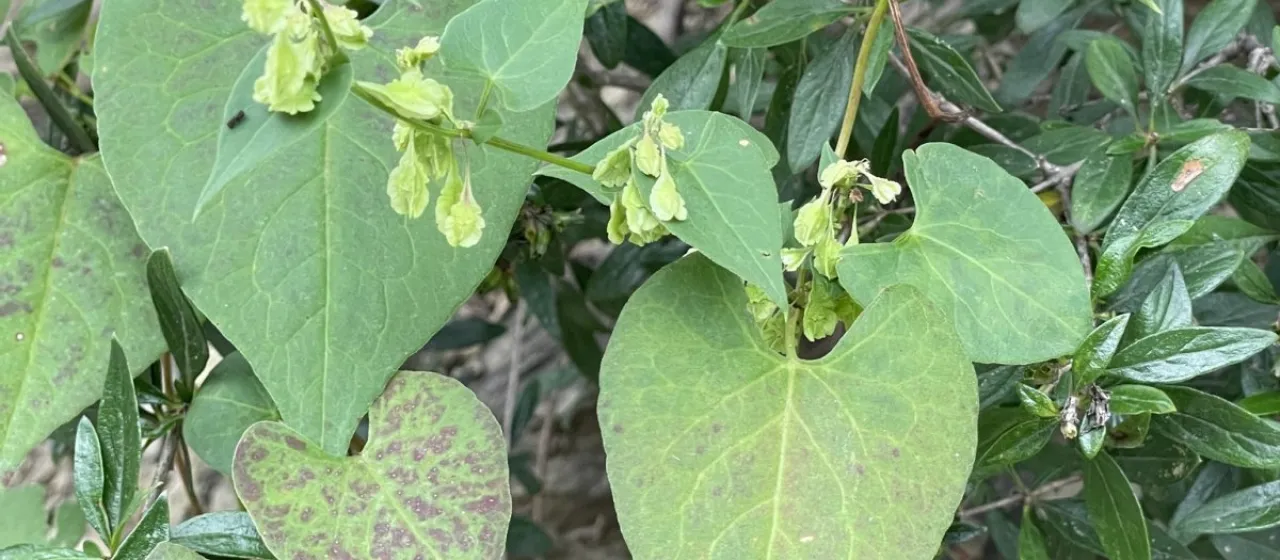
Botanically, the species is characterized by its climbing habit and unique fruit structure. The seeds are enclosed in winged perianths, which facilitate wind-assisted dispersal. The plant exhibits alternate, cordate leaves and develops branched panicles of small flowers during the late summer months. Its root system is deep and complex, allowing it to withstand seasonal environmental stress.
The management of Fallopia dentatoalata requires a precise agronomic approach. Because it thrives in nitrogen-rich soils, balanced nutrient management is essential. Control strategies typically involve a combination of physical removal, particularly before the seed-setting stage, and the use of approved systemic herbicides. Crop rotation and maintaining high crop density are effective methods for suppressing its establishment in arable land.
While the plant is generally viewed as an agricultural nuisance, certain species of the Fallopia genus contain compounds that are researched for medicinal potential. Typical pests include aphids and mites, which can cause significant damage to the foliage, while fungal pathogens often lead to necrotic leaf spots during humid weather conditions. Proactive scouting is necessary to minimize any negative impact on neighboring crops.