
Description
Fimbristylis acuminata is a perennial herbaceous plant belonging to the Cyperaceae (sedge) family. In agronomy, this species is categorized as a hygrophyte, specifically adapted to thrive in wet, marshy environments where oxygen availability in the soil is frequently limited by water saturation.
The origin of Fimbristylis acuminata is traced back to the tropical and subtropical zones of Asia and Australia. It is commonly found in river floodplains, wet meadows, and rice-growing regions. In these areas, the plant naturally colonizes open spaces, acting as a pioneer species that stabilizes muddy soil substrates.
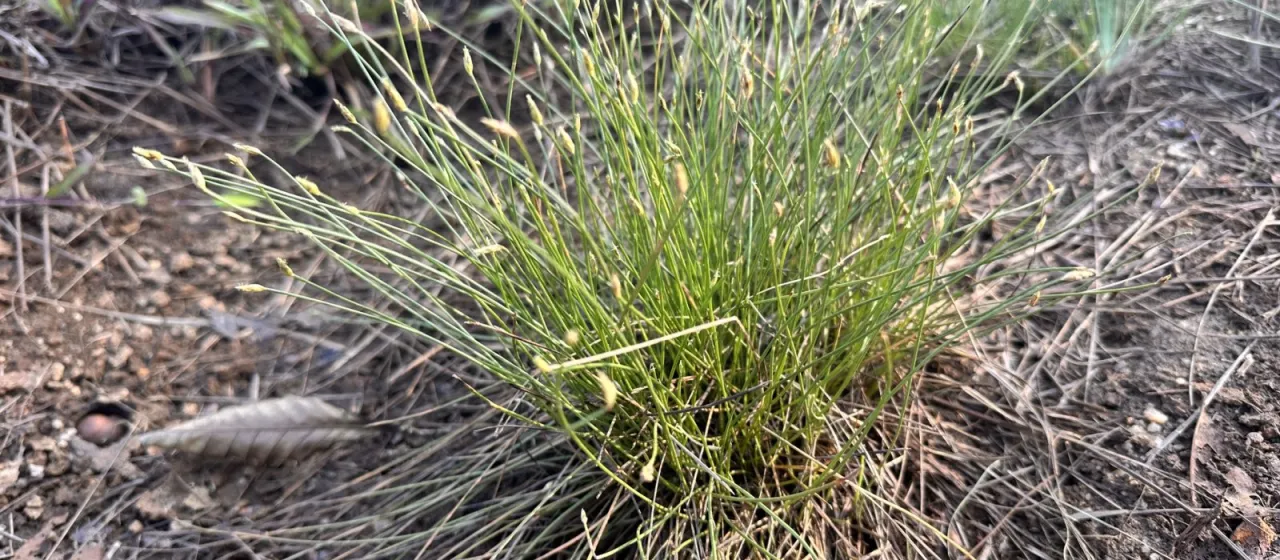
Botanically, the plant presents as dense tufts with slender, erect stems and narrow, linear leaves. Its inflorescence is typically a cluster of small, sharp-pointed spikelets, which gives the species its specific name, acuminata. The root system is fibrous and highly efficient at absorbing nutrients from anaerobic environments, allowing the plant to thrive where other species fail.
Cultivation requirements for this species are centered on maintaining high soil moisture levels. The plant prefers silt or clay-heavy soils and requires consistent exposure to light to maximize biomass production. Agronomic management involves monitoring water depth to prevent complete desiccation, which can lead to significant yield reduction during dry seasons.
Economically, Fimbristylis acuminata is utilized primarily as forage for livestock in tropical wetlands and as a source of material for traditional weaving and handicrafts. Its role in soil erosion control and its potential for natural wetland restoration make it a plant of increasing interest in sustainable landscape management and ecological farming practices.
- Adaptation to waterlogged soil conditions
- High tolerance to acidic soil pH
- Significant biomass production in wetlands
- Low susceptibility to common terrestrial pests