
Description
Autumn fimbry (scientific name Fimbristylis autumnalis) is an annual herb belonging to the Cyperaceae family. While not a conventional staple crop, it is of interest in specialized agricultural sectors, particularly for land management in areas characterized by high water tables or seasonal inundation.
This species is native to diverse regions across the Americas and parts of Asia. It thrives in wetlands, pond margins, and saturated grasslands. Its natural distribution demonstrates an evolutionary adaptation to environments where moisture levels are consistently high, making it a robust survivor in difficult hydrological conditions.
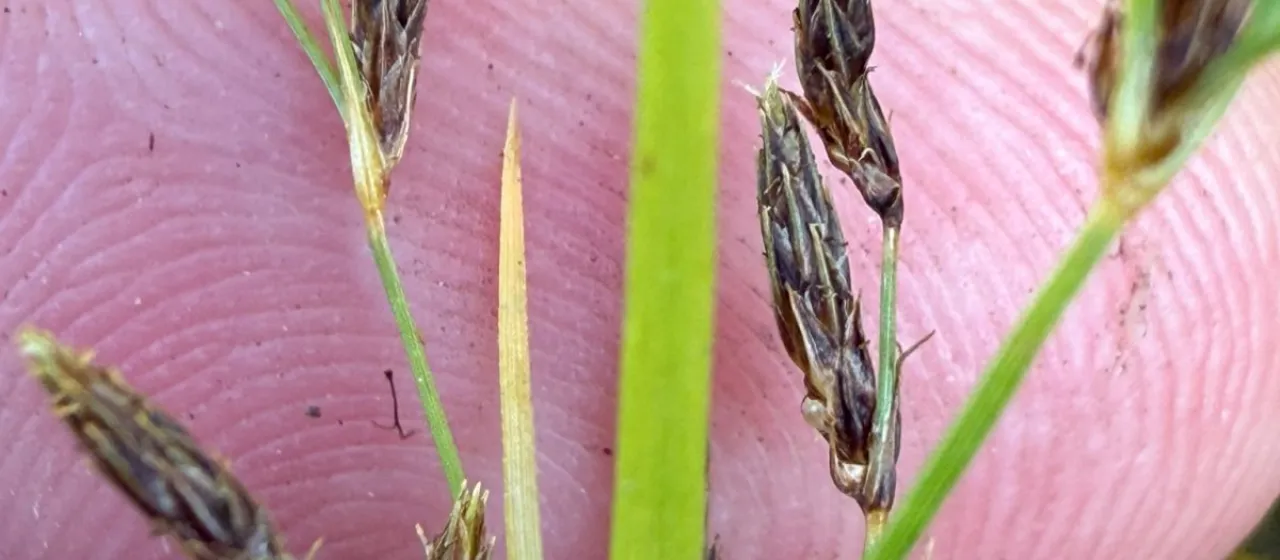
Botanically, the plant features narrow, grass-like basal leaves and erect, angular stems. The inflorescences are distinct, forming compound umbels with numerous small, brownish spikelets. This structure is typical for sedges and contributes to the plant’s ability to survive in environments that would be detrimental to many common cereal crops.
The cultivation of Fimbristylis autumnalis requires specific environmental conditions, primarily consistent soil moisture and adequate light. It does not require intensive fertilization, making it a low-input option for wetland restoration. Successful propagation depends on maintaining optimal temperatures during the germination phase to ensure a dense vegetative stand.
Agricultural and environmental usage primarily focuses on bio-remediation and soil stabilization. By creating a dense root matrix, this plant helps prevent erosion in waterlogged fields. Furthermore, it serves as a natural ground cover in marginal agricultural lands, effectively utilizing niches where traditional cropping systems would fail due to excessive soil saturation.