
Description
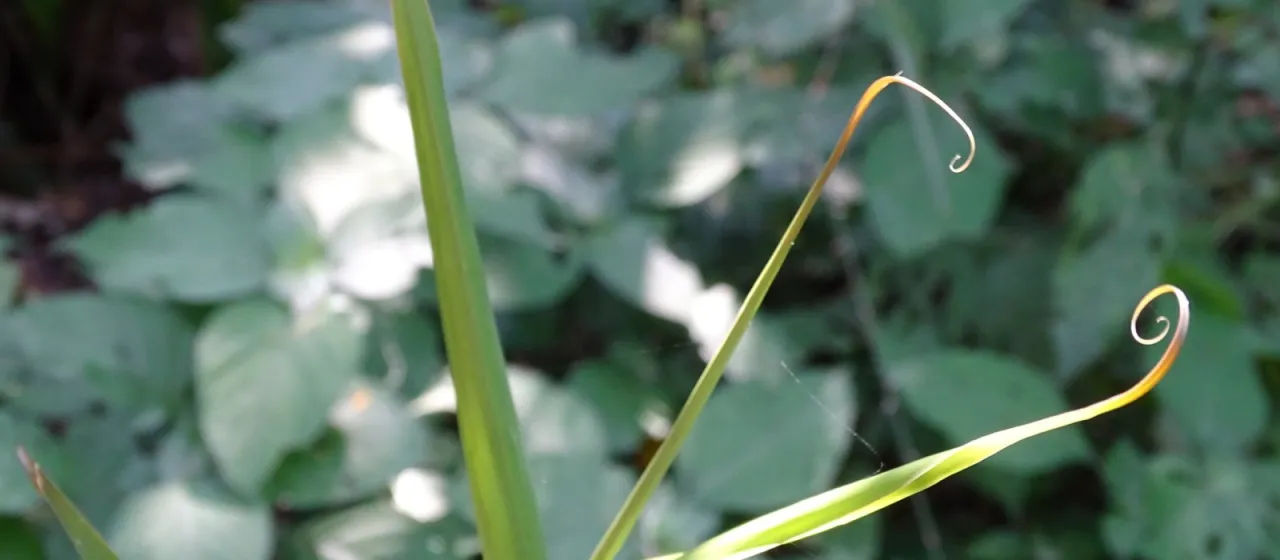
Flagellaria guineensis is a perennial climbing plant belonging to the Flagellariaceae family. It is a distinctive tropical vine known for its exceptional climbing ability, utilizing specialized leaf tips that act as tendrils to anchor the plant to trees and other vegetation in its natural habitat.
The origin of this species is tied to the tropical zones of Africa, where it thrives in humid environments such as riverbanks, forest fringes, and wetlands. It is highly adapted to equatorial climates where consistent heat and high humidity promote rapid year-round growth and development.
Botanically, the plant is recognized by its long, strap-like leaves and highly flexible, durable stems. These stems are rich in fibrous tissues, which provide the structural integrity required for the plant to climb effectively. The inflorescences are panicles of small, inconspicuous flowers that develop into small, fleshy, drupe-like fruits.
Regarding agronomy, the plant requires deep, well-drained, and nutrient-rich soil. In controlled cultivation, structural support such as trellises or poles is essential to manage the vine's rapid growth. Irrigation should be managed to mimic the natural tropical rainfall cycles, ensuring the soil remains moist but not waterlogged, which prevents root decay.
The primary economic value of Flagellaria guineensis lies in its versatile stems, which are widely harvested for weaving, basketry, and the production of traditional tools. The fibers are highly valued for their strength and longevity, making them an excellent sustainable alternative to synthetic materials in local industries and handicraft sectors.
- Excellent tensile strength of stems
- Rapid biomass production
- Natural pest and disease resistance
- Sustainable fiber source