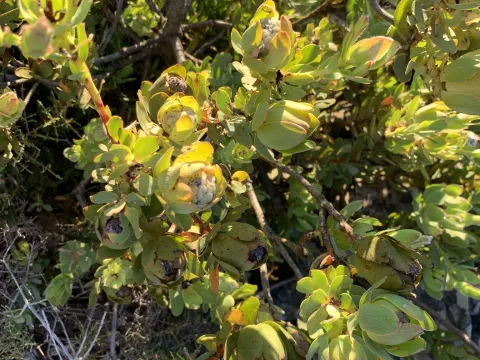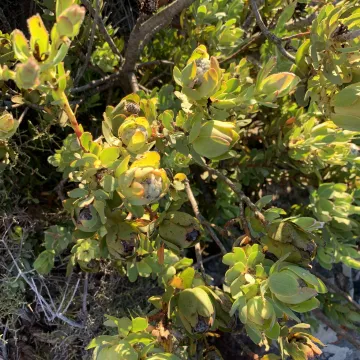
Leucadendron discolor
Leucadendron discolor E. Phillips & Hutch.
Description
Leucadendron discolor, commonly associated with the Flame gold-tips variety, is a distinctive evergreen shrub belonging to the Proteaceae family. Renowned for its architectural form and stunning bracts that surround its small flowers, this plant serves as a significant ornamental crop. Its unique appearance makes it a prized specimen for specialized horticulture and high-end floral design.
The species is native to the Fynbos biome of South Africa, characterized by its Mediterranean-type climate. It thrives in regions with wet, mild winters and hot, dry summers. Commercially, it is cultivated in areas such as Australia, New Zealand, and parts of the United States, where the climatic conditions allow for outdoor growth in well-drained, acidic soil environments.
Botanically, Leucadendron discolor is a woody shrub with rigid, leathery leaves designed to withstand arid conditions. The plant is dioecious, meaning male and female flowers grow on separate individuals. The bracts, which are often mistaken for flower petals, change color during the growing season, providing a dramatic display of gold and red tones that gave rise to its common name.
Agronomic success depends heavily on replicating its native habitat. Key requirements include:
- Highly acidic, nutrient-poor, and sandy soil structures.
- Exceptional drainage to prevent root diseases caused by waterlogging.
- High levels of direct sunlight for optimal pigment development in the bracts.
- Avoidance of fertilizers high in phosphorus, as Proteaceae are highly sensitive to soil chemistry.
In terms of economic use, the crop is primarily grown for the commercial cut-flower market. Its long vase life and durability during transport make it an ideal product for international export. Producers must remain vigilant against pathogens such as Phytophthora, which can quickly destroy plantations, and pests like mealybugs, which thrive in protected cropping environments if hygiene standards are neglected.
Photo gallery