Leucadendron discolor x Leucadendron laureolum
Leucadendron discolor x Leucadendron laureolum
Description
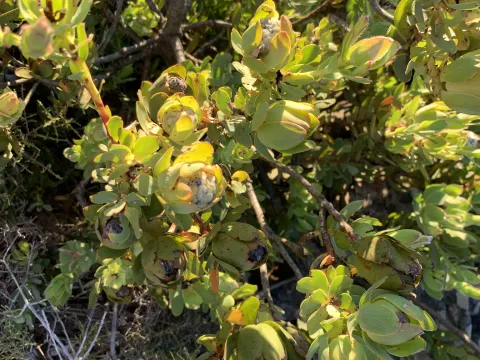
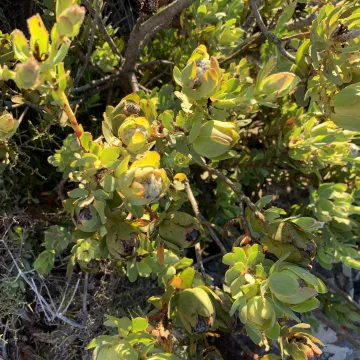
Leucadendron discolor x Leucadendron laureolum is a hybrid cultivar belonging to the Proteaceae family. As an evergreen shrub, it is widely recognized in commercial floriculture for its striking, colorful bracts that surround the inconspicuous true flowers, providing significant aesthetic value for cut flower production.
The parent species originate from South Africa, specifically the fynbos biome of the Cape region. Agriculturally, it is cultivated in Mediterranean-type climates globally, including parts of Australia, New Zealand, California, and Southern Europe, where mild winters and well-defined growing seasons support its physiological requirements.
Botanically, this hybrid displays leathery, dense foliage and vertical stems. The bracts transition in color as the plant matures, often displaying vivid shades of yellow, orange, or deep red. The genetic combination provides a robust plant structure capable of withstanding moderate environmental stresses compared to its parent species.
Successful cultivation requires acidic, well-draining soils with very low phosphorus levels. Like most Proteaceae, this plant has specialized proteoid roots, making it highly sensitive to over-fertilization. Phosphorus, in particular, can be toxic to the root system, so fertilizer application must be carefully managed or omitted entirely.
- Requires full sun exposure for optimal bract coloration.
- Regular pruning is essential to maintain shrub shape and promote future flowering.
- Excellent drainage is non-negotiable to prevent root rot.
- Susceptible to frost; must be protected from temperatures dropping below -5°C.
The primary economic use is the production of premium-grade cut flowers, which are highly valued for their long vase life and unique appearance. Pathogens such as Phytophthora are the main agricultural threats, requiring strict soil hygiene. Pests like scale insects and mealybugs are frequently encountered and may require targeted integrated pest management strategies.
Photo gallery