
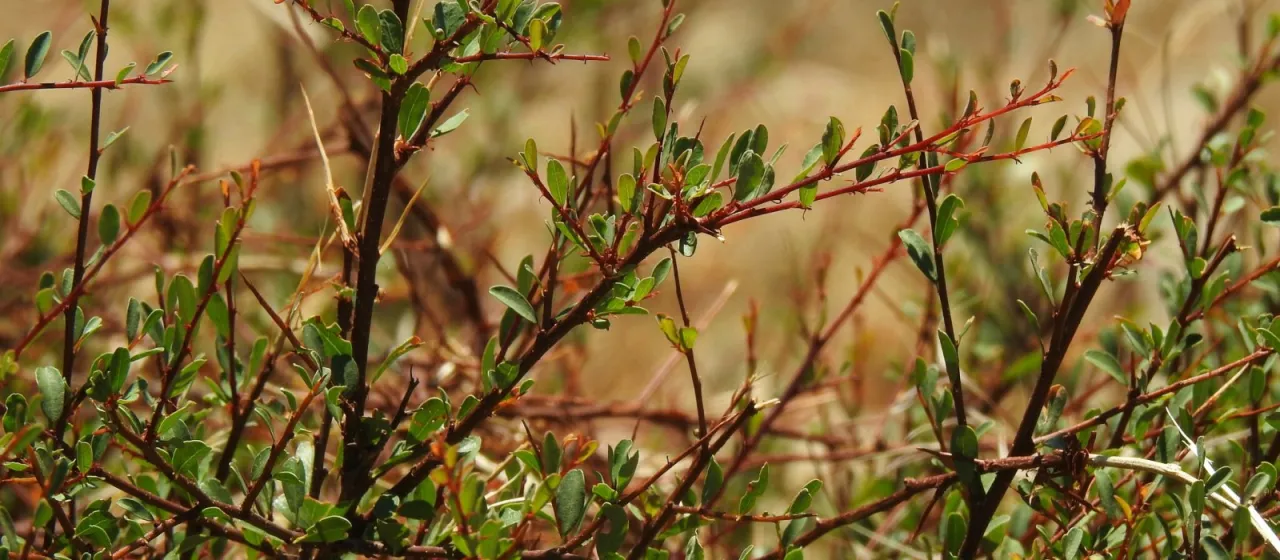
Description
Flueggea tinctoria is a perennial deciduous shrub belonging to the Phyllanthaceae family. This species is historically significant due to its specialized use in traditional dyeing processes. Known for its adaptability, the plant typically forms a dense, bushy habit, reaching moderate heights depending on the specific growing conditions and agricultural management.
Native to East Asia, primarily the regions of China and Japan, Flueggea tinctoria prefers temperate climates. It naturally thrives in woodland edges and hilly terrains where it receives consistent moisture. In an agricultural setting, it performs best in regions that mimic these ecological conditions, requiring protection from severe, prolonged frosts during the winter dormancy period.
Botanically, the plant is characterized by its small, alternate, ovate leaves and inconspicuous flowers. The structure of the shrub is woody with multiple branches sprouting from the base. After pollination, the plant produces small, dry fruit capsules. Its growth cycle is synchronized with the seasonal availability of moisture and sunlight, making it highly dependent on the climatic stability of the region.
The cultivation of this crop requires well-draining, fertile soil with a neutral to slightly acidic pH. Agricultural management practices should focus on maintaining adequate soil moisture levels, especially during the peak growing season, and applying balanced fertilizers to support vegetative growth. Pruning is essential for maintaining the health of the plant and stimulating the production of shoots, which may contain the desired pigments.
The primary economic use of Flueggea tinctoria is as a source of natural colorants for various textile applications. Beyond its industrial function, it is increasingly valued in ornamental horticulture for its subtle aesthetic qualities in landscapes. Pathological threats include standard shrub pests and fungal infections in poorly drained soils, necessitating an integrated pest management approach.
- Sun exposure: Partial shade to full sun
- Soil preference: Loamy, well-drained
- Propagation method: Seed germination or stem cuttings
- Hardiness: Moderate temperature requirements