
Description
Flueggea virosa is a deciduous shrub or small tree belonging to the family Phyllanthaceae. Known for its resilience in warm environments, this plant is characterized by its spreading habit and dense foliage. It serves as an important ecological component in its native regions, contributing to biodiversity while offering various medicinal and practical applications that have been documented for centuries.
The plant originates from the tropical regions of Africa, Asia, and Australia. It is typically found in diverse environments such as savannahs, forest edges, and woodland areas. Because of its tropical origin, the species requires specific climate conditions, thriving best where temperatures remain high throughout the year and where there is sufficient exposure to sunlight for photosynthetic optimization.
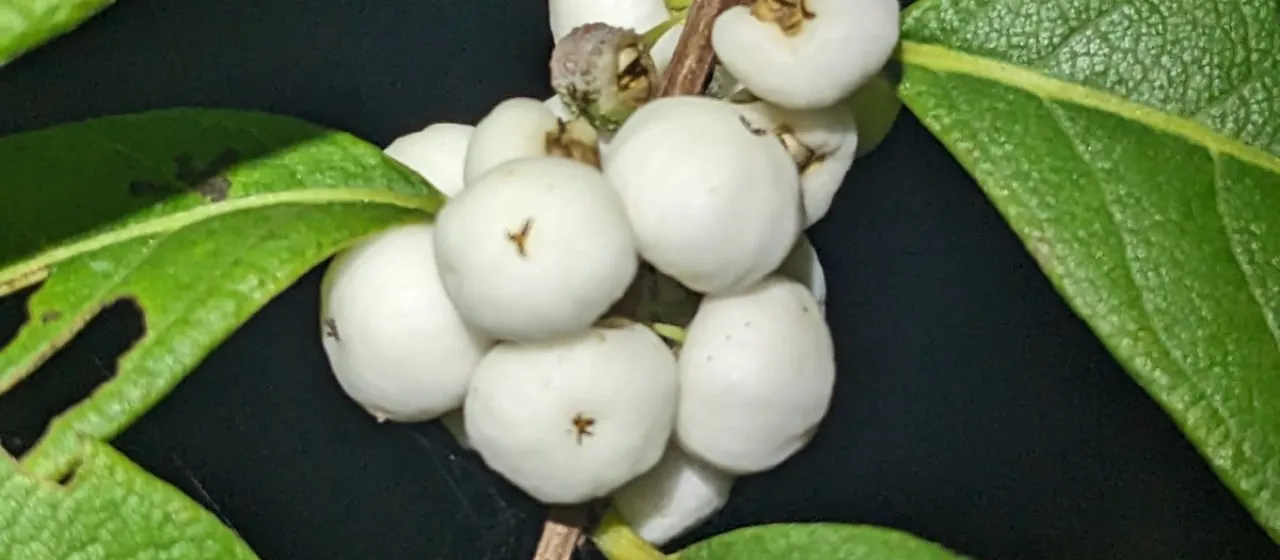
Botanically, the plant is dioecious, meaning male and female flowers grow on separate individuals. Its leaves are simple and arranged alternately along the stems, which can become quite woody as the plant matures. The fruit is a small, fleshy capsule that transitions from green to a creamy white color upon ripening. Its root system is deep and expansive, which provides stability and aids in moisture uptake in drought-prone landscapes.
Successful cultivation of this species requires strict adherence to the following agricultural practices:
- Soil Preference: Thrives in well-drained, fertile sandy or loamy soils with a balanced pH.
- Sunlight: Requires full sun exposure to maintain vigorous growth and fruit production.
- Irrigation: Managed watering is necessary during the establishment phase, but the soil should be allowed to dry out between applications.
- Climate Tolerance: Sensitive to frost and cold drafts; should only be planted in USDA zones 10-12.
The economic and practical utility of Flueggea virosa is significant in local economies. It is widely recognized in traditional medicine for its various therapeutic properties, including anti-inflammatory and antiseptic effects derived from its bark and roots. Beyond medicine, the branches have traditionally been used to construct sturdy fences, and the fruit, while not a commercial staple, plays a role in local food ecosystems.
The plant is generally robust but can be susceptible to common horticultural issues. Pathogenic fungi, particularly those affecting the root zone due to waterlogged soil, represent a major risk to plant health. Insect pests such as aphids and leaf miners may occasionally cause damage to the foliage. Implementing a preventative maintenance program that includes proper drainage and periodic monitoring is essential to ensure long-term plant viability.