
Description
Ocotillo (Fouquieria splendens) is a remarkable perennial shrub belonging to the monotypic family Fouquieriaceae. Often mistaken for a cactus due to its spiny appearance and arid habitat, it is actually a woody succulent that has developed unique physiological adaptations to survive in the harsh deserts of North America.
The plant originates from the Chihuahuan and Sonoran Deserts, spanning regions across the southwestern United States and northern Mexico. It thrives in well-drained, rocky soils found on slopes and alluvial fans, where it can endure prolonged periods of extreme heat and minimal precipitation.
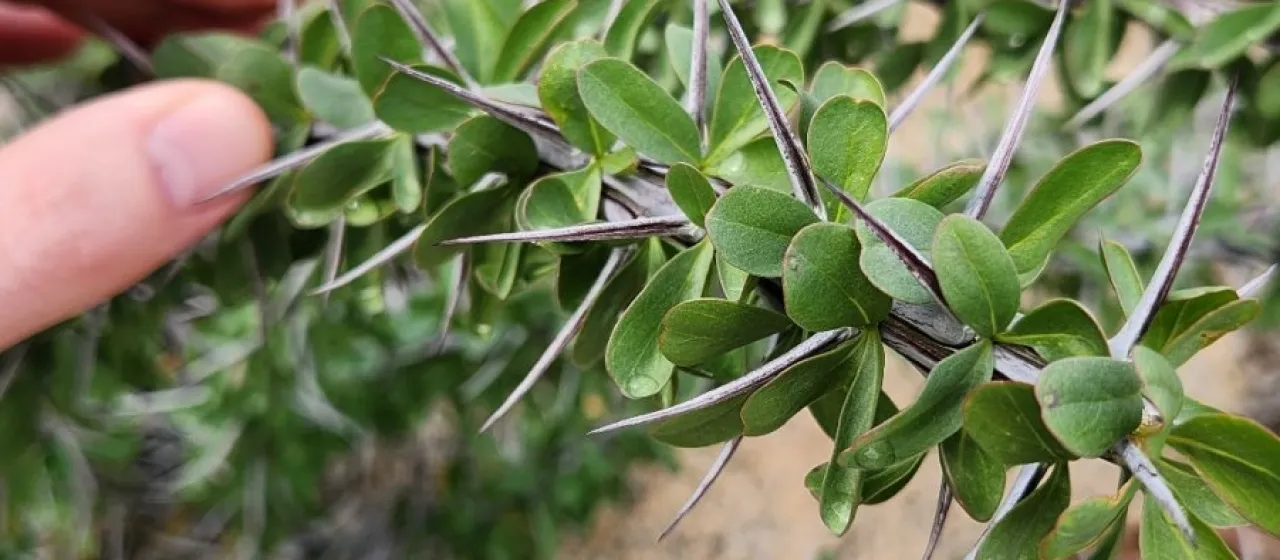
Botanically, the Ocotillo is characterized by a cluster of tall, unbranched, thorny canes that can grow up to 20 feet in height. One of its most distinctive features is the ability to produce leaves rapidly after a rainfall event, which then drop off as soon as the plant enters its drought-induced dormancy. In spring, it produces brilliant, fire-engine red flowers at the tips of its canes.
Cultivation requirements demand strict adherence to desert-like conditions. Key success factors include:
- Full sun exposure for at least 8 hours a day.
- Extremely well-draining, mineral-rich soil.
- Minimal irrigation, avoiding water saturation during the winter months.
- Protection from freezing temperatures below its natural tolerance limit.
Horticultural uses for the Ocotillo are primarily ornamental, particularly in xeriscaping projects designed to conserve water. The plant is relatively hardy but can be susceptible to root rot if drainage is inadequate. Common pests in domestic cultivation include scale insects and mealybugs, which are often managed through careful environmental control rather than heavy chemical intervention.