
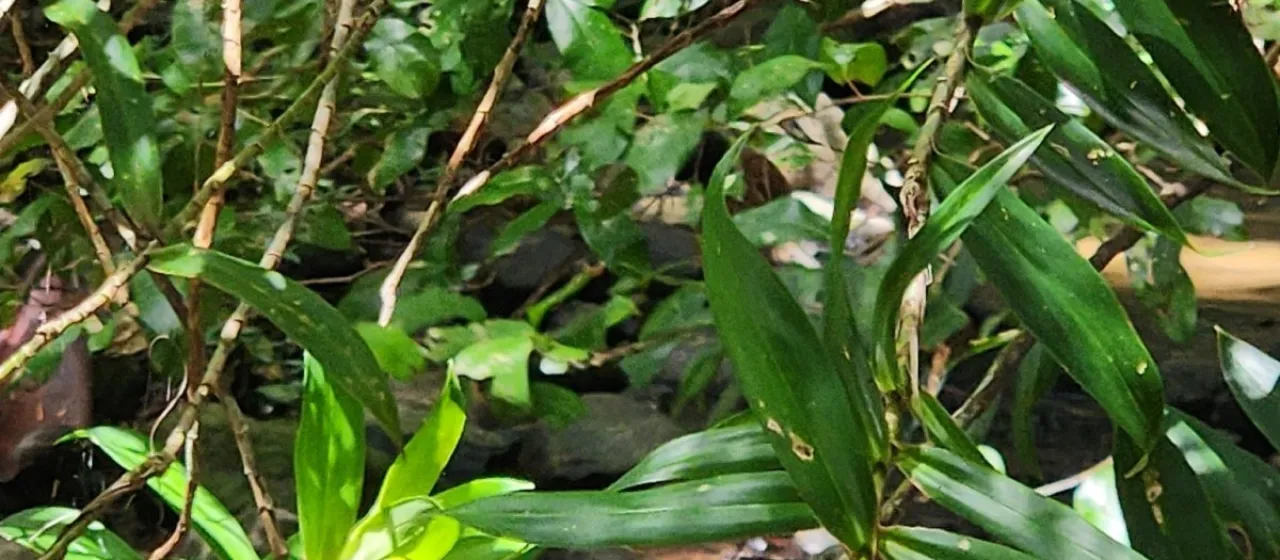
Description
Freycinetia scandens is a notable climbing vine belonging to the Pandanaceae family. It is recognized for its woody stems and vigorous growth habit, allowing it to climb effectively in the canopy layers of tropical rainforests. This plant is a fascinating subject for botany enthusiasts due to its specialized adaptations for epiphytic survival.
Originating from the tropical regions of Southeast Asia and Oceania, the plant thrives in environments characterized by high humidity and consistent rainfall. Its distribution indicates a strong preference for protected, shaded, or semi-shaded niches where it can utilize support trees to access light, defining its ecological niche in diverse tropical biomes.
Botanically, Freycinetia scandens exhibits long, lanceolate, leathery leaves with serrated margins. The inflorescences are distinct, often produced in clusters and protected by colorful, fleshy bracts that serve to attract specific pollinators such as bats or small birds, showcasing an intricate evolutionary relationship with local fauna.
Agrotechnical requirements for this species focus on simulating its native environment. It requires a well-draining, nutrient-rich substrate, typically based on bark, peat, and organic matter to mimic forest debris. Consistency in watering and humidity is paramount, as the plant does not possess significant storage organs to survive prolonged desiccation.
- Maintains high humidity levels (70% or more).
- Requires ambient temperatures between 22°C and 28°C.
- Needs structural support for its climbing habit.
- Avoidance of waterlogged soil to prevent root rot.
- Monitoring for common indoor pests like spider mites and mealybugs.
The economic and practical use of Freycinetia scandens includes its utility in professional horticultural displays and conservatory landscaping. Historically, the leaves of various Freycinetia species have been harvested for their robust fibers, which are used to craft high-quality mats, baskets, and cordage, reflecting a deep-rooted traditional knowledge of the plant's structural properties.