
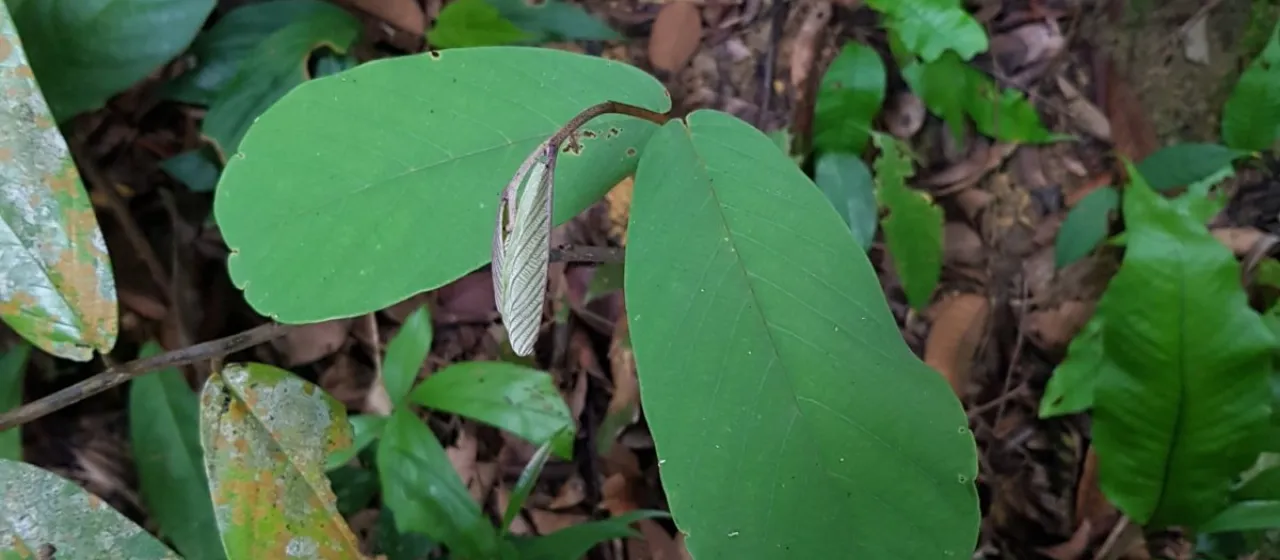
Description
Friesodielsia latifolia is a remarkable plant species belonging to the Annonaceae family, which typically grows as a sprawling shrub or a small understory tree. As a member of this diverse family, it shares specific reproductive and vegetative traits that allow it to thrive within the dense, shaded environments of its native habitat.
The plant originates from the tropical regions of Southeast Asia, primarily found in the primary rainforests of the Malay Peninsula and surrounding islands. Its geographical distribution is closely linked to ecosystems with high annual rainfall and constant humidity, where the plant occupies ecological niches that are sheltered from intense, direct solar radiation.
Botanically, it is defined by its broad, leathery leaves and distinctive floral architecture, which are common hallmarks of the Annonaceae. The plant produces unique aggregate fruits that develop from the maturation of multiple carpels. These fruits are important for local fauna, which often serve as seed dispersal agents in the forest canopy and ground layers.
Cultivation requirements for this species are demanding due to its strict environmental needs. It requires a stable tropical climate with temperatures between 22°C and 30°C and high humidity levels. The growing medium must be highly organic and well-draining, as the roots are sensitive to waterlogging, which often leads to rapid decay in container or greenhouse conditions.
Economically, Friesodielsia latifolia is studied for its potential in medicinal chemistry, with traditional uses focusing on its secondary metabolites. In terms of plant health, it is prone to typical tropical pests such as mealybugs and spider mites. Effective management requires constant monitoring and the maintenance of good air circulation to mitigate the risk of fungal infections such as root rot and leaf spots.