
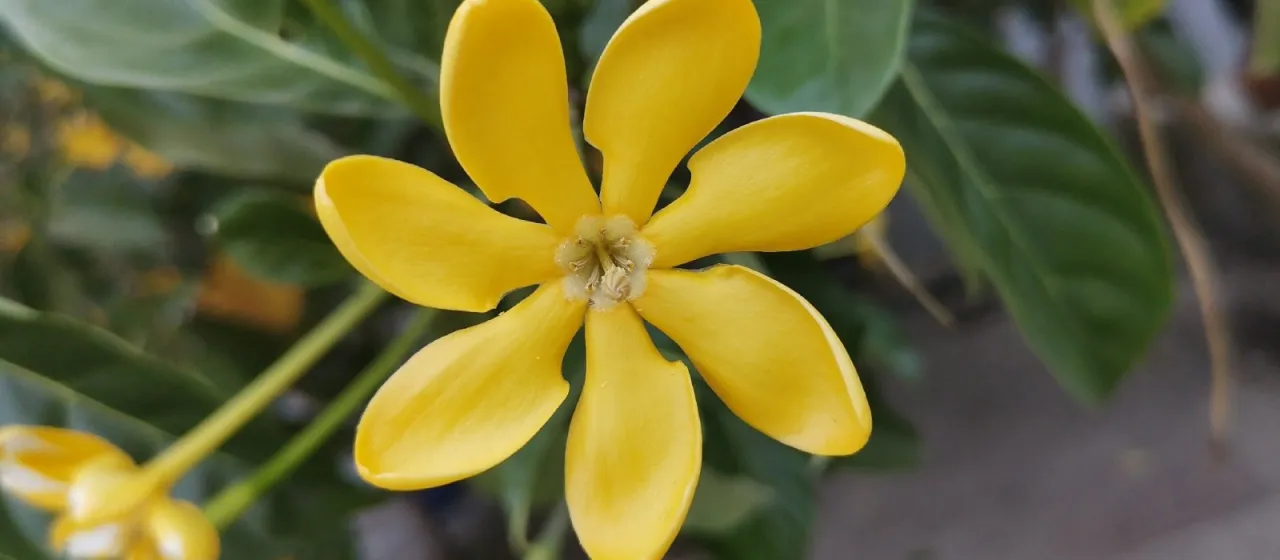
Description
Gardenia carinata is a remarkable evergreen shrub or small tree belonging to the Rubiaceae family. This species is highly regarded in tropical horticulture for its structural beauty, glossy foliage, and spectacular large, trumpet-shaped flowers that transition through distinct color phases—starting as creamy white and deepening into shades of yellow and orange as they mature.
The plant originates from the tropical regions of Southeast Asia, particularly Malaysia. In its natural habitat, it thrives in humid, lowland rainforests under the partial shade of larger canopy trees. These environmental conditions provide the plant with the stable temperatures and consistent moisture levels necessary for its robust growth and the development of its fragrant blossoms.
Botanically, Gardenia carinata is characterized by its stiff, leathery leaves and a dense branching habit. The flowers emerge from the leaf axils, showcasing a complex structure that serves as a visual hallmark of the genus. Its reproductive biology involves the production of large, fleshy capsules, which protect the seeds until they are ready for dispersal in the tropical ecosystem.
Cultivation requirements focus on replicating its natural environment. It demands well-draining, acidic soil rich in organic matter to prevent root diseases. The plant is highly sensitive to cold, requiring temperatures consistently above 15 degrees Celsius. Irrigation practices must be carefully managed to maintain moisture without causing waterlogging, which is a primary cause of decline in this species.
- Placement in bright, filtered sunlight.
- Use of acidic fertilizers specifically formulated for acid-loving shrubs.
- Regular pruning to maintain aesthetic shape and airflow.
- Consistent humidity through misting or humidifiers in dry climates.
The primary use of Gardenia carinata is ornamental, serving as a specimen plant in landscape gardens and botanical collections. It is occasionally prone to common garden pests such as spider mites, aphids, and scale insects. Maintaining hygiene around the plant and ensuring adequate air circulation are essential management practices to mitigate the risk of fungal infections and pest outbreaks.