
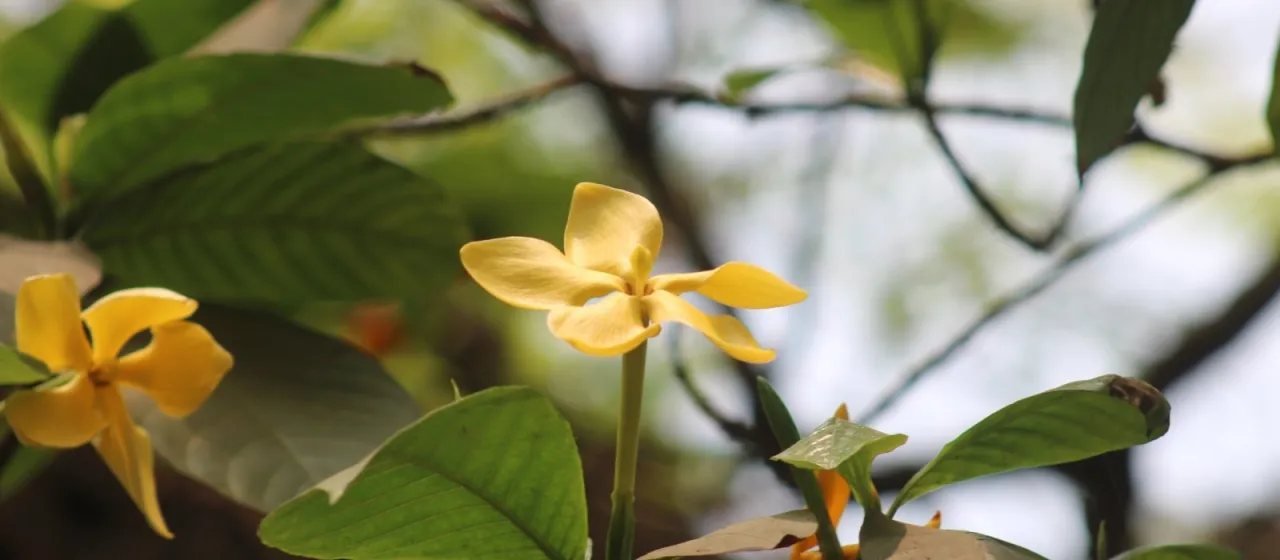
Description
Gardenia coronaria is a perennial woody plant species belonging to the Rubiaceae family. It is recognized as an evergreen shrub or a small tree that is highly valued for its large, fragrant blossoms and lush foliage, making it a prominent feature in tropical landscapes.
The native distribution of this species is centered in Southeast Asia. It thrives in tropical forest environments where the atmospheric humidity is high and the soil remains consistently moist. In its natural range, the plant often occupies the understory, benefiting from filtered sunlight.
Botanically, the plant is characterized by leathery, deep green leaves and complex, white flowers that emit a strong, sweet scent. The structure of the shrub allows for natural branching, which can be managed through regular pruning to maintain a desired shape in garden settings.
Cultivation requires specific climatic conditions, including temperatures that rarely drop below 15°C. For successful growth, a well-draining, acidic soil medium is essential. Proper irrigation management is critical; while the plant enjoys moisture, waterlogging must be avoided to prevent root damage, and regular iron supplementation is often necessary to prevent yellowing of the leaves.
Economically, Gardenia coronaria is primarily utilized as an ornamental plant in private gardens and public conservatory spaces. Like many members of the Rubiaceae family, it is susceptible to common pests including aphids, spider mites, and scale insects, which necessitate an integrated pest management strategy to ensure plant health and vitality.