
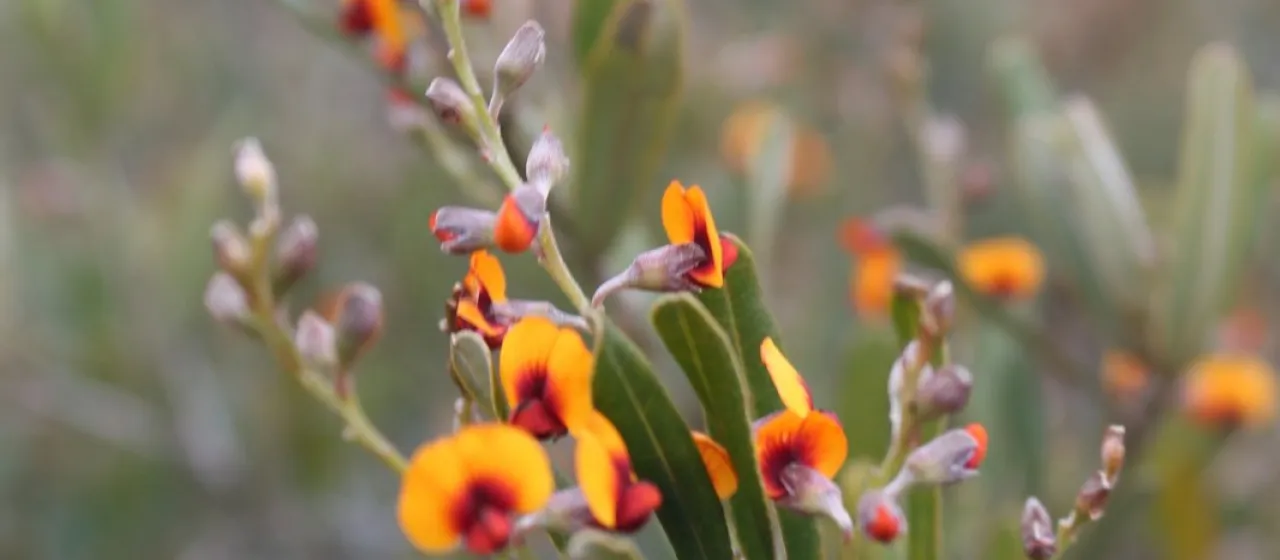
Description
Gastrolobium parviflorum is a perennial evergreen shrub belonging to the Fabaceae (legume) family. This species is native to Western Australia and is highly specialized for survival in harsh, arid environmental conditions, which defines its unique physiological profile and horticultural requirements.
The plant originates from the diverse landscapes of Western Australia, commonly found in open forests and heathlands. Its natural range is specific to regions with Mediterranean-like climates. While it is not a large-scale agricultural crop, it remains a plant of interest for botanical gardens and specialized landscaping projects globally.
Botanically, it is characterized by its stiff, simple leaves and characteristic pea-like flowers. The plant exhibits a slow to moderate growth rate, focusing its energy on deep root development to access subterranean moisture. This adaptation allows the species to maintain structural integrity during extended periods of drought.
Successful cultivation of Gastrolobium parviflorum requires strict adherence to soil moisture management. It must be planted in free-draining, nutrient-poor soil that mimics its native habitat. Any accumulation of moisture around the root zone is detrimental and often leads to rapid plant decline. High solar irradiance is essential for proper photosynthesis and flower bud formation.
In terms of usage, it is primarily valued for its role in xeriscaping and restoring natural shrubland ecosystems. The primary pests and diseases include root rot pathogens, typically exacerbated by over-irrigation or poor soil structure. Consistent maintenance of the planting site, including adequate air circulation, is the best strategy to prevent fungal outbreaks.