
Description
Gastrolobium villosum is a distinct perennial shrub belonging to the Fabaceae family. While not a conventional agricultural crop, it remains a point of interest within botanical circles due to its unique evolutionary adaptations and role in the ecosystem of Western Australia. The plant is valued for its distinct visual appearance and its ability to thrive in harsh, nutrient-deficient environments.
The native distribution of this species is confined to the southwest of Western Australia. It typically grows in regions characterized by a Mediterranean climate, featuring mild, wet winters and warm, dry summers. It is often found in scrublands or woodland understories, where it has evolved to coexist with other endemic flora under specific soil acidity and moisture levels.
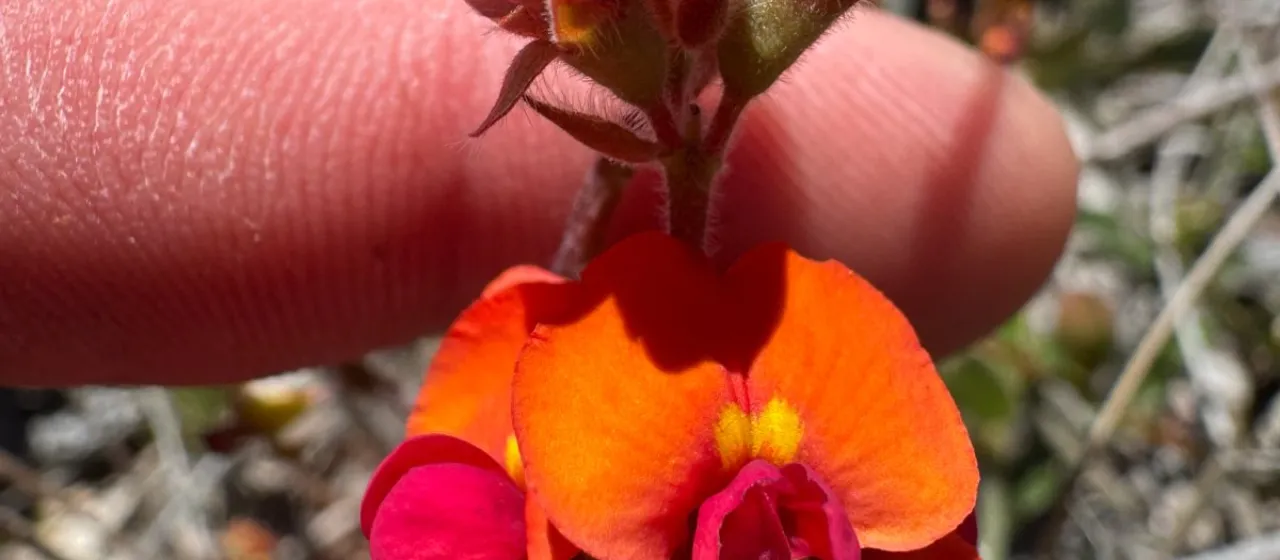
Botanically, Gastrolobium villosum is characterized by its fuzzy, hairy leaves which serve as an adaptation to reduce transpiration. The flowers exhibit the classic pea-flower morphology, typically blooming in vibrant shades of red and orange. The plant maintains a compact habit, rarely reaching significant height, making it a manageable candidate for specialized ornamental collections.
Cultivation requirements for this species are strict, particularly regarding soil composition. It requires extremely well-draining soil and is notoriously sensitive to high-phosphorus fertilizers, which can be fatal to many Australian native plants. Adequate sun exposure is essential for maintaining growth vigor, while excessive irrigation should be strictly avoided to prevent root diseases.
Regarding its utility, the species is cultivated primarily for its aesthetic value. It is essential to note that many species within the Gastrolobium genus, including this one, produce fluoroacetate, a highly toxic compound. Consequently, it is not suitable for agricultural use as forage. Common pests include various sap-sucking insects, while poor soil drainage is the most significant factor leading to plant mortality.