
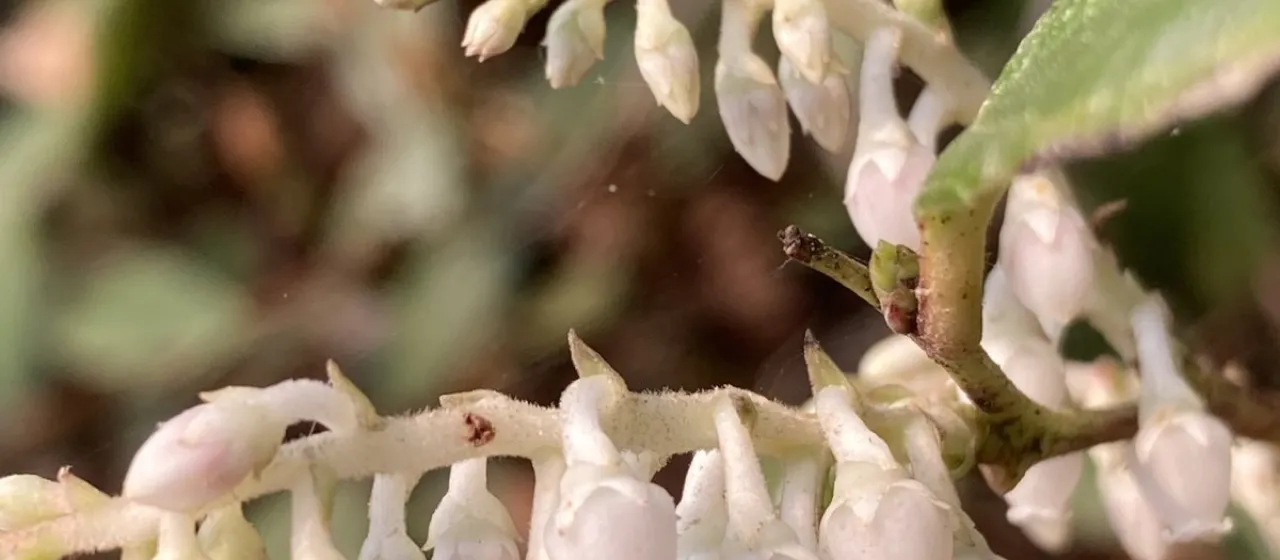
Description
Gaultheria fragrantissima, commonly referred to as a type of wintergreen, is an evergreen shrub belonging to the Ericaceae family. It is highly valued in various industries for its aromatic foliage and stems, which are rich in methyl salicylate, a compound prized for its analgesic and anti-inflammatory properties in medicinal applications.
Native to the Himalayas, Nepal, and parts of Southeast Asia, this shrub thrives in high-altitude environments. Its natural habitat is characterized by cool, misty conditions and acidic, well-draining soils. For commercial purposes, cultivating this plant requires mimicking these mountainous conditions, often necessitating specialized mountain or forest-margin microclimates.
The botanical structure of the plant features leathery, alternate leaves and small, white-to-pinkish bell-shaped flowers, followed by blue-black fruit. It is a slow-growing woody plant, which requires patience during the establishment phase. Growers must ensure the plant has enough space to develop its characteristic dense, spreading habit.
Agricultural requirements focus on soil chemistry and moisture management. The plant demands a low soil pH and high organic matter content, typically achieved through the incorporation of peat or forest mold. Adequate irrigation is essential, but it must be balanced with exceptional drainage to prevent root diseases, which are the most common cause of crop failure.
The primary economic output of Gaultheria fragrantissima is its essential oil, which is distilled from the leaves and used globally in the pharmaceutical and flavoring industries. Additionally, it serves as a niche ornamental plant. Management of pests such as aphids and fungal pathogens remains a critical part of the maintenance cycle, requiring integrated pest management strategies.