
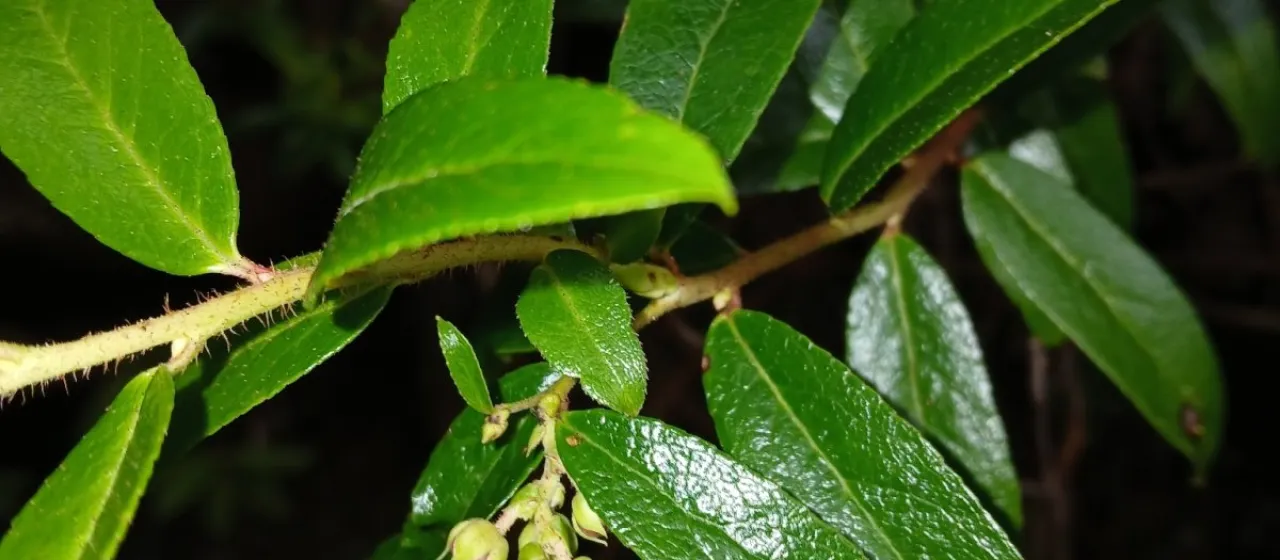
Description
Gaultheria hispida, commonly known as the copper berry, is an evergreen shrub belonging to the Ericaceae family. It is highly valued for its striking white, porcelain-like fruits that provide significant visual interest in garden settings during the late season.
The species is native to Tasmania, where it thrives in moist, cool, mountainous forest environments. This geographical origin dictates its specific needs, as the plant prefers moderate temperatures and high humidity levels throughout the growing season.
Botanically, this shrub features leathery, lanceolate leaves with serrated edges and a glossy finish. It produces small, urn-shaped white flowers that attract pollinators, followed by fleshy, white, edible-looking berries. The plant grows to a modest size, making it suitable for shaded garden borders.
Cultivation requires acidic, well-drained soil rich in organic matter. An essential part of its agronomy is maintaining consistent soil moisture without waterlogging, which can lead to root system decay. Mulching is highly recommended to keep the root zone cool and hydrated.
In terms of usage, the copper berry is primarily ornamental. When considering health, the plant is susceptible to fungal issues if air circulation is poor or if the soil stays overly wet. Additionally, it can be prone to infestations of spider mites, especially in drier environments.
- Preference for acidic soil (pH 4.5–5.5)
- Partial shade requirements
- Consistent moisture management
- Susceptibility to fungal pathogens