
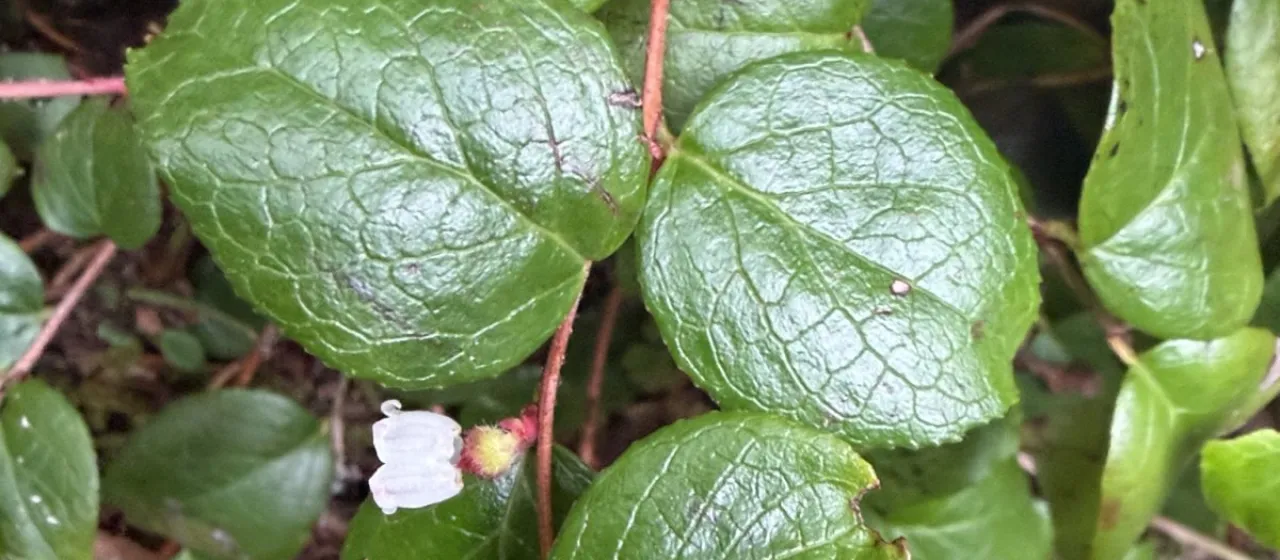
Description
Oregon wintergreen (Gaultheria ovatifolia) is an evergreen, low-growing shrub that belongs to the Ericaceae family. Known for its creeping habit and attractive foliage, this plant is a staple for gardeners seeking reliable ground cover in temperate regions with specific soil characteristics.
The native habitat of Gaultheria ovatifolia spans the Pacific Northwest of North America. It naturally thrives in cool, moist coniferous forests, often establishing itself in shady areas with deep, organic-rich humus layers, which dictates its preference for specific garden environments.
Botanically, this shrub is characterized by its glossy, oval-shaped leaves with finely serrated edges. During the flowering season, the plant produces subtle, bell-shaped white flowers. These develop into bright red, fleshy berries that provide significant ornamental interest well into the winter months, distinguishing the plant from other ground covers.
Successful cultivation of Oregon wintergreen requires strict adherence to soil pH levels, as it flourishes only in acidic environments. The soil must be well-draining but moisture-retentive, mimicking its natural forest-floor habitat. Supplemental irrigation is vital during dry spells, and organic mulching is highly recommended to protect the sensitive surface roots from extreme temperature fluctuations.
- Optimal sunlight: partial shade to full shade.
- Soil requirements: acidic, humus-rich, well-draining.
- Propagation: stem cuttings, layering, or seeds.
- Hardiness: prefers temperate climates with consistent moisture.
In terms of agricultural and landscape use, Gaultheria ovatifolia is primarily grown for ornamental purposes in rock gardens, woodland plantings, and as a low border shrub. While the berries are edible, they are not typically mass-produced; instead, the plant is valued for its aesthetics and ability to suppress weed growth in shaded garden zones.
Like many species in the heath family, this plant is susceptible to fungal issues such as leaf spot and root rot if drainage is inadequate. Pests like aphids and spider mites can occasionally cause damage, particularly in warm and dry conditions, necessitating integrated pest management practices and proper canopy management to ensure air circulation.