
Description
Gaultheria rupestris is a distinct evergreen shrub belonging to the Ericaceae (heather) family. Known for its compact and resilient growth, this species is well-adapted to rocky terrains and mountain environments. It serves as an excellent decorative element for gardens, maintaining its green foliage and structural beauty throughout all seasons.
The plant originates from New Zealand, where it is found in subalpine regions and diverse rocky habitats. Its native range implies an evolutionary adaptation to cool, humid, and temperate climates. Because of these origins, Gaultheria thrives in environments where soil acidity is maintained and water drainage is efficient, mimicking its natural mountain slopes.
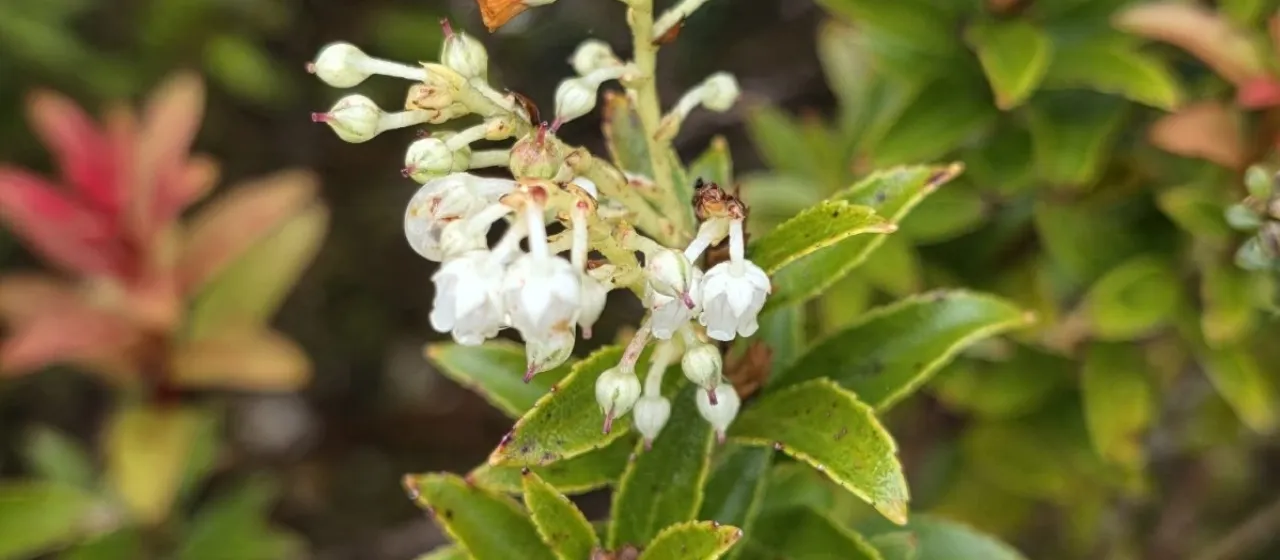
Botanically, this shrub features tough, leathery, and dark green leaves that are densely arranged along its stems. The plant produces small, white, bell-shaped flowers arranged in racemes, which provide a delicate contrast to the foliage. After the flowering phase, it produces small, aesthetically pleasing capsules, contributing to the year-round ornamental value of the plant.
Cultivation of Gaultheria rupestris requires specific care focused on replicating its native acidic soil conditions. It performs best in well-draining, peat-based or sandy soils enriched with organic matter. Proper moisture management is crucial; while the plant requires consistent hydration, it is highly sensitive to waterlogging, which can cause root system degradation.
- Placement in spots with partial shade to avoid scorching sun.
- Application of acidic fertilizers specific to the Ericaceae family.
- Use of pine bark or leaf litter for effective mulching.
- Consistent pruning to maintain a dense and healthy habit.
In landscaping, Gaultheria rupestris is primarily valued for rock gardens, heather beds, and as an ground cover in cool-climate settings. Regarding plant health, it is generally robust, but gardeners should monitor for typical issues like leaf spot diseases or root rot. Preventive measures, such as ensuring proper air circulation around the plant, significantly reduce the risk of common horticultural pests.