
Description
Gaultheria trichophylla is a dwarf, evergreen shrub species belonging to the Ericaceae family. Known for its prostrate growth habit, this plant is highly prized in horticulture for its ability to form dense, low-growing mats of foliage, making it a perfect candidate for specialized landscaping projects.
Originating from the high-altitude regions of the Himalayas, Tibet, and Western China, this species is naturally adapted to cool, mountainous climates. It thrives in alpine environments where temperatures remain relatively low and soil conditions are specific to ericaceous plants. Understanding its provenance is essential for successful cultivation in domestic gardens.
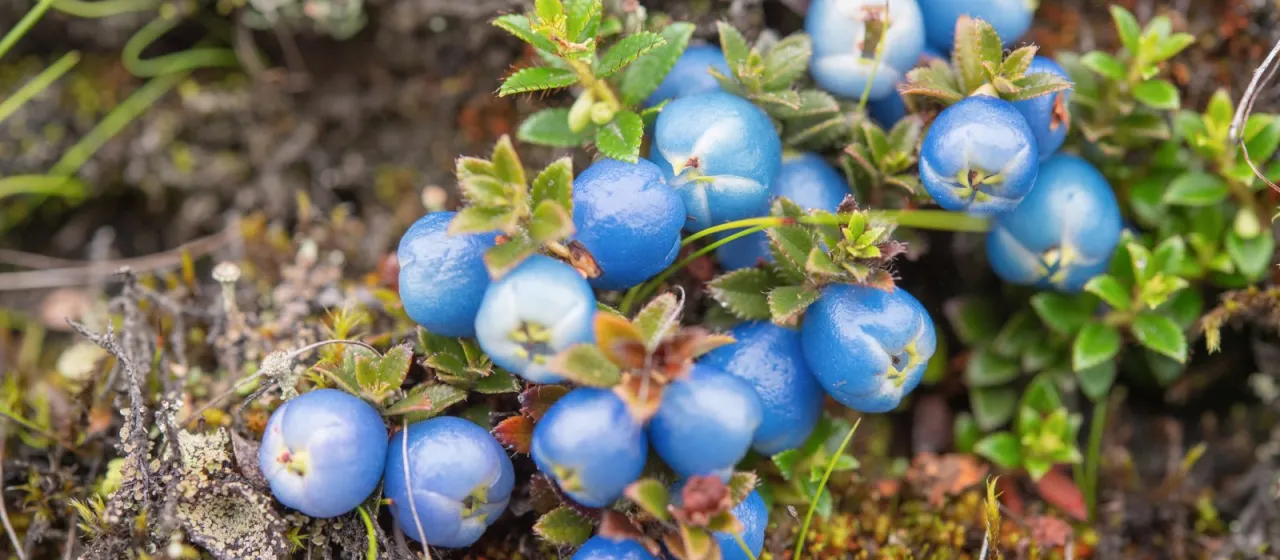
Botanically, the plant is characterized by tiny, hairy leaves and bell-shaped flowers, which are typically white or pale pink. The most distinctive feature of this species is its fruit: bright, sky-blue berries that contrast vividly with the dark green foliage. The plant rarely grows more than a few inches tall, maintaining a very compact, ground-hugging form throughout the year.
Cultivation requirements for Gaultheria trichophylla focus on mimicking its natural habitat. Key aspects of its agricultural maintenance include:
- Cultivation in acidic, well-draining soil rich in organic matter.
- Providing semi-shaded conditions to protect from harsh direct sunlight.
- Ensuring consistent soil moisture without waterlogging the root system.
While primarily used as an ornamental groundcover in rock gardens or heather beds, it requires attention to avoid common pests and diseases. Root rot is a significant risk in heavy or poorly drained soils, while powdery mildew can affect foliage in environments with poor air circulation. Proper site selection and careful monitoring of soil health are critical for the long-term vigor of the plant.