
Description
Black huckleberry (Gaylussacia baccata) is a deciduous shrub belonging to the Ericaceae (heather) family. It is a hardy perennial plant valued for its edible, dark-colored berries. Unlike blueberries, the fruits of this species contain ten hard, nut-like seeds, which provides a distinct texture when consumed.
The plant is native to eastern North America, ranging from the southern parts of Canada through the eastern United States. It naturally thrives in diverse environments, including open woodlands, rocky slopes, and sandy soils. It is highly valued in its native range for its ecological role as a food source for wildlife and its hardiness.
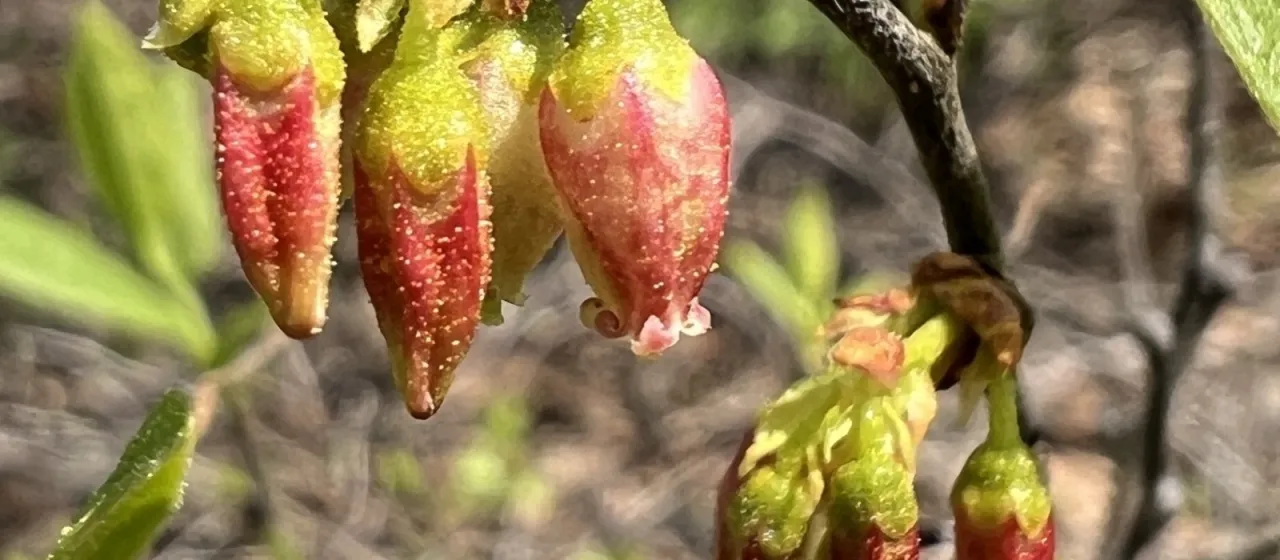
Botanically, Gaylussacia baccata grows as a rounded shrub, typically reaching heights of 3 to 4 feet. The leaves are small, alternate, and covered in tiny, yellowish, resinous glands that appear as spots on the leaf surface. The flowers are small, bell-shaped, and usually white or pinkish, blooming in late spring before the fruit set in summer.
Cultivation requirements focus heavily on soil chemistry. The species requires well-drained, acidic soil with a pH ranging from 4.5 to 5.5. In garden settings, it is often treated similarly to blueberries or rhododendrons, requiring a layer of organic mulch like pine needles or peat to maintain moisture and soil acidity. It is an excellent choice for areas with poor, nutrient-deficient soils.
- Requires full sun to partial shade for optimal flowering.
- Prefers cool, moist soil conditions.
- Resistant to most common pests, though root rot can occur in waterlogged soils.
- Can be propagated by cuttings or seeds collected from mature fruit.
The culinary use of black huckleberries is versatile, including fresh consumption, pies, jams, and preserves. While typically wild-harvested, there is interest in bringing the plant into small-scale production. Disease management is relatively simple, focusing primarily on preventing fungal infections by ensuring adequate air circulation and avoiding overhead watering.