
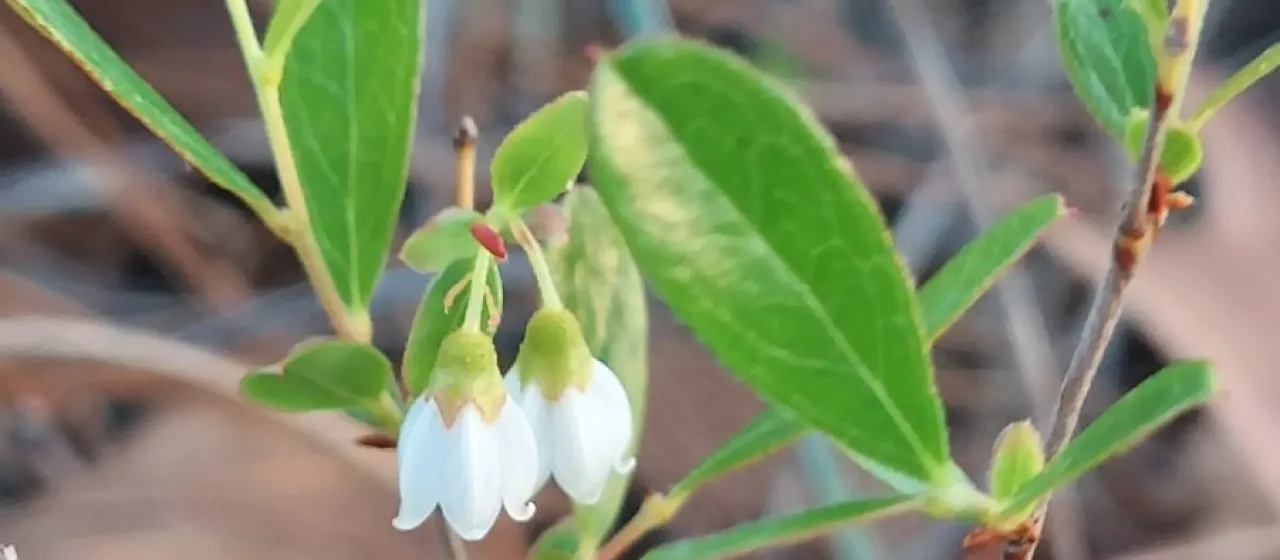
Description
The dwarf huckleberry (Gaylussacia dumosa) is a shrub species belonging to the Ericaceae family. Often overlooked in favor of more common commercial berries like highbush blueberries, this species holds significant botanical value. It is characterized by its low-growing habit and specialized habitat requirements, which make it a niche subject for both horticulturists and researchers focused on native plant species.
Originating from the eastern regions of North America, the dwarf huckleberry naturally thrives in diverse environments, including pine barrens, sandy savannas, and damp thickets. Its range is determined by the availability of highly acidic, nutrient-poor, yet well-drained soils. Understanding its native ecological niche is the key to successfully propagating this crop in garden or controlled field settings.
The plant exhibits a small, woody structure typically reaching heights of 30 to 60 centimeters. Its foliage is often glossy and green, providing an attractive background for its white to pinkish, bell-shaped flowers. Unlike other berries, the fruits of Gaylussacia dumosa contain distinct, relatively large seeds, which are a hallmark of the genus. These berries are typically harvested in mid-to-late summer and have a sweet, distinctive flavor profile.
Cultivation practices must prioritize soil acidity, requiring a pH level between 4.5 and 5.5. Farmers and gardeners should utilize organic matter such as peat moss or pine needles to amend soil conditions. Irrigation management is critical; while the plant enjoys moisture, it cannot survive in waterlogged soil, which leads to root suffocation and increased risk of pathogen development. Sunlight exposure should be filtered, mimicking the conditions of an open forest floor.
- Maintenance of low soil pH levels.
- Use of specialized fertilizers for Ericaceous plants.
- Consistent irrigation without waterlogging.
- Strategic mulching to maintain soil temperature.
In terms of agricultural utility, the dwarf huckleberry is primarily used for small-scale production and ornamental gardening. Common pests include aphids and leaf-eating insects that target heath family plants, while fungal leaf spots are the most frequent ailment in humid, poorly ventilated areas. With proper site selection and soil management, this plant proves to be a hardy and resilient producer of unique, flavorful berries.