
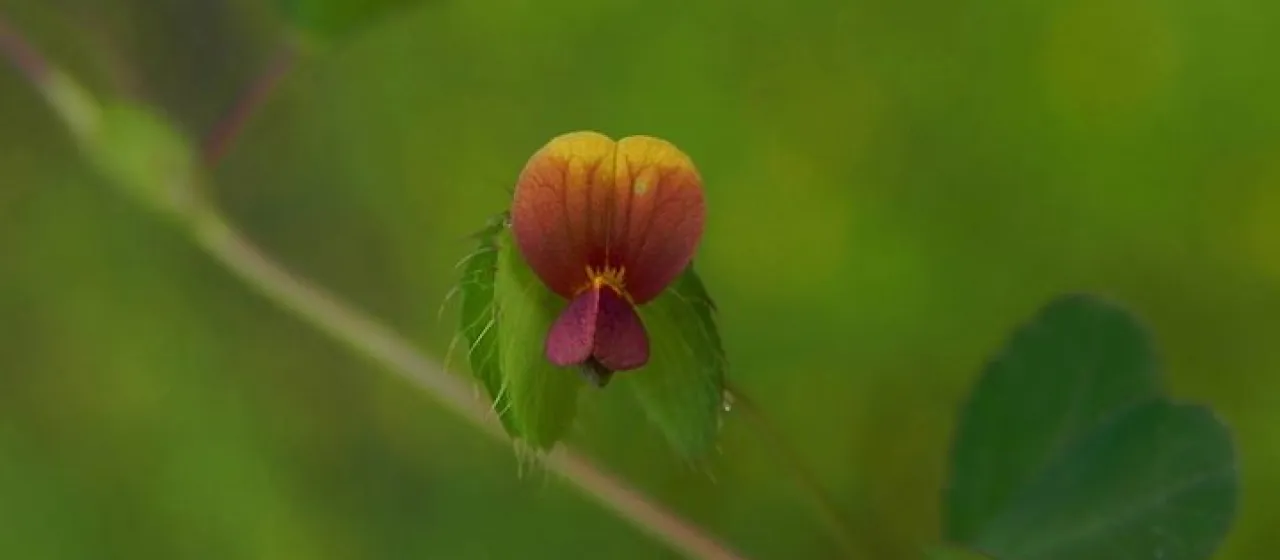
Description
Geissaspis tenella is a herbaceous plant species belonging to the Fabaceae family. As a typical member of the legumes, it is recognized for its ecological importance in nitrogen fixation, which significantly contributes to soil fertility in the tropical regions where it naturally thrives.
The plant originates from the tropical zones of Asia, particularly in areas with high annual rainfall. Its natural habitat includes open grasslands, agricultural field boundaries, and disturbed areas where it serves as a pioneer species, stabilizing the soil and providing organic material for subsequent vegetation.
Botanically, Geissaspis tenella is characterized by a creeping or ascending growth habit, feathery compound leaves, and delicate flowers often hidden within imbricated bracts. The root system is developed to support nitrogen-fixing bacteria, which allow the plant to survive in nutrient-deficient soils.
The cultivation of this crop requires a warm, humid climate without extreme fluctuations in temperature. It thrives in well-drained loamy or sandy soils with a neutral pH level. Proper agricultural management involves light tilling to prepare the soil and ensuring that the plant density is sufficient to suppress common weed infestations.
Economically, this plant is primarily valued as a green manure or a cover crop designed to prevent soil erosion and improve the chemical properties of agricultural lands. In some regions, its biomass is also harvested for use as supplemental forage, providing livestock with essential plant proteins.
- Excellent nitrogen-fixing capabilities.
- Soil erosion prevention in tropical agriculture.
- High biomass production potential.
- Adaptability to specific tropical soil types.
Like other legumes, it is susceptible to various fungal pathogens that affect roots during periods of excessive moisture or improper drainage. Integrated pest management, including monitoring for defoliating insects and ensuring proper crop rotation, is essential for maintaining healthy and productive stands of this species.