Fragrant broom
Genista fragrans
Description
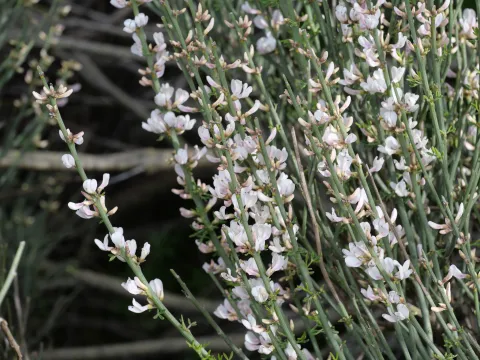
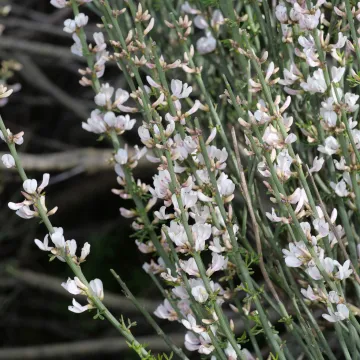
Fragrant broom (lat. Genista fragrans) is a perennial shrub belonging to the Fabaceae family, celebrated for its striking yellow flowers and highly fragrant scent during the blooming period. It is a popular choice for gardeners seeking an attractive, low-maintenance ornamental plant that adds a Mediterranean feel to any landscape design.
The native habitat of this species is primarily the Mediterranean basin and North Africa. Due to its evolutionary history in these warm, arid regions, the plant is exceptionally adapted to bright light and well-draining soils. While it thrives outdoors in temperate climates, it is also highly valued as a container plant in cooler zones, where it can be moved indoors during winter.
Botanically, Genista fragrans is characterized by its branching growth habit and thin, lanceolate leaves. The bright yellow, pea-like flowers appear in dense, fragrant racemes that cover the bush extensively. The root system is deep and woody, reflecting its adaptation to rocky substrates where nutrient availability is limited but aeration is high.
Agronomic requirements for this crop focus on providing excellent drainage and maximizing sun exposure. It is crucial to avoid heavy or clay-rich soils, which can lead to root rot. Regular maintenance should include pruning back the flowered stems after the blooming season ends; this helps prevent the plant from becoming woody and leggy, maintaining a dense and attractive structure.
The primary use of the Fragrant broom is in ornamental horticulture, particularly in xeriscaping or rock garden designs. While generally hardy, the plant can be susceptible to common pests such as aphids or spider mites, especially in dry, indoor environments. Ensuring proper airflow and avoiding over-fertilization are key strategies for maintaining healthy, vigorous plants throughout the year.
- Light: Full sun exposure.
- Soil: Sandy, well-draining substrate.
- Watering: Sparse, allow to dry between watering.
- Pruning: Post-bloom deadheading and shaping.
- Propagation: Seed or semi-ripe cuttings.
Photo gallery