
Description
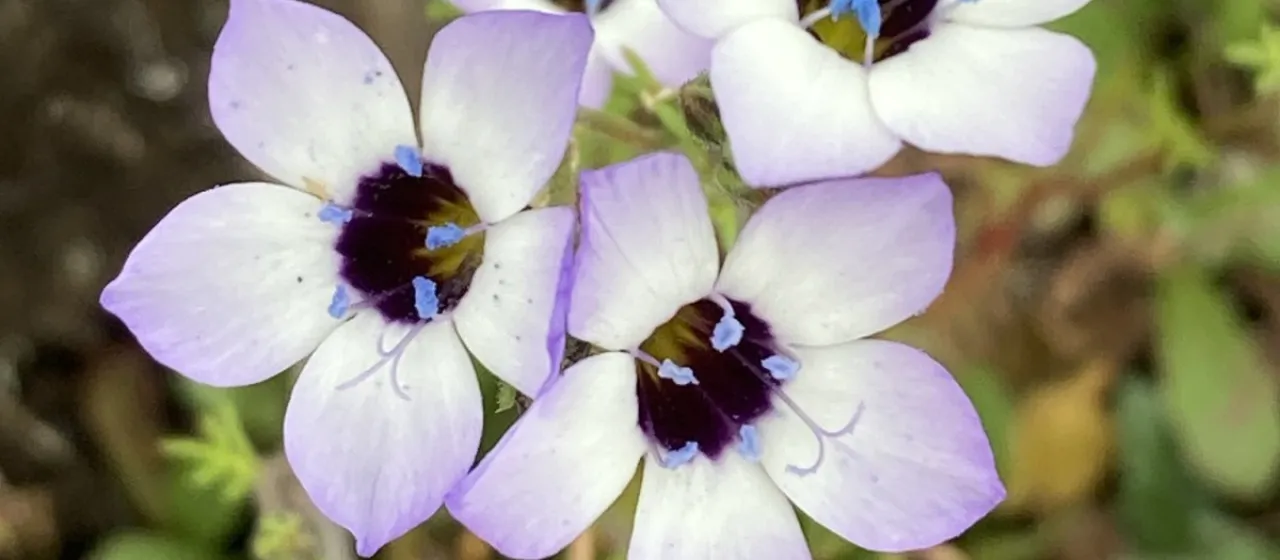
Bird's eye gilia (Gilia tricolor Benth.) is a charming annual herbaceous plant belonging to the Polemoniaceae family. Known for its delightful tri-colored blooms—typically featuring a combination of lavender, white, and yellow—this plant is a favorite among gardeners for its delicate, airy appearance and fragrant, nectar-rich flowers.
The plant originates from California, USA, where it thrives in open fields, hillsides, and grasslands. This native history indicates its preference for open, sunny environments and well-drained soil, making it a perfect candidate for wildflower meadows, rock gardens, and naturalistic landscape designs in temperate regions.
Botanically, this species is characterized by its slender, branching stems and fine, pinnately divided leaves that create a fern-like texture. The trumpet-shaped flowers are clustered at the tips of the stems, providing a stunning display during the peak of the growing season, typically from late spring to mid-summer.
To cultivate gilia successfully, it is essential to choose a site with full sun exposure. The soil should be light, sandy, or loamy, ensuring excellent drainage, as the species is intolerant of waterlogged conditions. It prefers a neutral to slightly alkaline pH level and does not require heavy fertilization, as nutrient-rich soil can cause the plant to become leggy.
Basic maintenance requirements include
- Direct sowing in early spring once the soil is workable.
- Light thinning of seedlings to ensure proper air circulation.
- Minimal irrigation, allowing the soil to dry out between waterings.
- Deadheading faded blooms to extend the flowering period.
While generally hardy, the plant can be susceptible to aphids, which tend to gather on the tender new growth. Fungal issues, such as powdery mildew, may occur if the planting density is too high or if the site lacks sufficient airflow. Maintaining moderate spacing and avoiding overhead watering during humid weather are the best practices for preventing these common horticultural issues.