
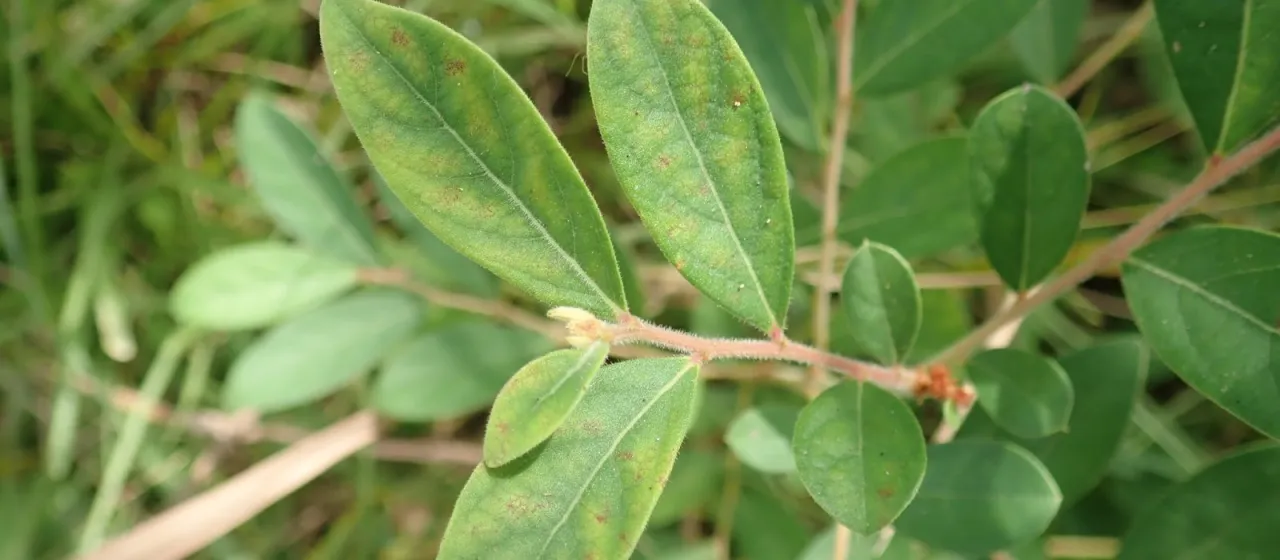
Description
Glochidion puberum is a perennial woody shrub belonging to the Phyllanthaceae family. This resilient plant is widely recognized for its robust nature and its significant role in the biodiversity of its native regions. As a crop, it provides a stable yield of biomass and is increasingly studied for its chemical composition and potential industrial applications.
Originating from East Asia, including China and Japan, the plant thrives in subtropical climates. It is typically found in diverse environments such as forest margins, hilly terrains, and open slopes. Due to its natural habitat, the plant exhibits excellent tolerance to fluctuating moisture levels and varied light conditions, which facilitates its cultivation in similar climatic zones worldwide.
Botanically, the species is characterized by its pubescent foliage, which serves as a protective layer against environmental stress. The plant produces small, inconspicuous flowers, followed by dehiscent capsules containing seeds. Its root system is deep and expansive, allowing it to thrive in nutrient-poor soils where other plant species might struggle to establish a firm foothold.
Agrotechnical management of Glochidion puberum requires attention to soil composition and drainage. While it is not overly demanding, a slightly acidic, loamy, well-drained soil promotes optimal health. Regular pruning is recommended to maintain a manageable size and to encourage fresh growth. It is relatively resistant to major agricultural pests, though monitoring for scale insects in highly humid conditions is advised.
The economic value of this crop is primarily rooted in its pharmaceutical properties. Extracts from the plant are utilized in traditional medicine and are under investigation for their potential to provide novel compounds for clinical use. Furthermore, its aesthetic value as a hardy shrub makes it a desirable candidate for public park development and private garden landscaping in temperate regions.
- Adaptable to a wide range of soil types.
- High tolerance for environmental stressors.
- Minimal specialized maintenance required.
- Significant potential for pharmacological research.